
7 Hidden Dangers Lurking in Your Home (and How to Fix Them)
Most homes feel safe because they are familiar, not because they are actually risk-free. Many everyday hazards go unnoticed simply because they blend into routines you have lived with for years.
This article may contain affiliate links. See our disclosure policy for more info.
Over time, small issues can quietly turn into real safety concerns without drawing much attention. The good news is that most of these problems are fixable once you know what to look for. These are seven hidden dangers that commonly exist inside homes, and what helps reduce the risk.
Poor Indoor Air Quality
Indoor air can be more polluted than outdoor air, especially in homes with limited ventilation. Dust, pet dander, mold spores, and chemical fumes from cleaning products all circulate through the same air you breathe every day. Over time, poor air quality can contribute to headaches, allergies, and respiratory issues without an obvious cause.
Improving ventilation makes a meaningful difference. Opening windows regularly, using exhaust fans, and changing HVAC filters on schedule helps reduce airborne particles. Many experts also recommend using higher-quality air filters to trap smaller contaminants before they spread throughout the home.
Hidden Mold Growth
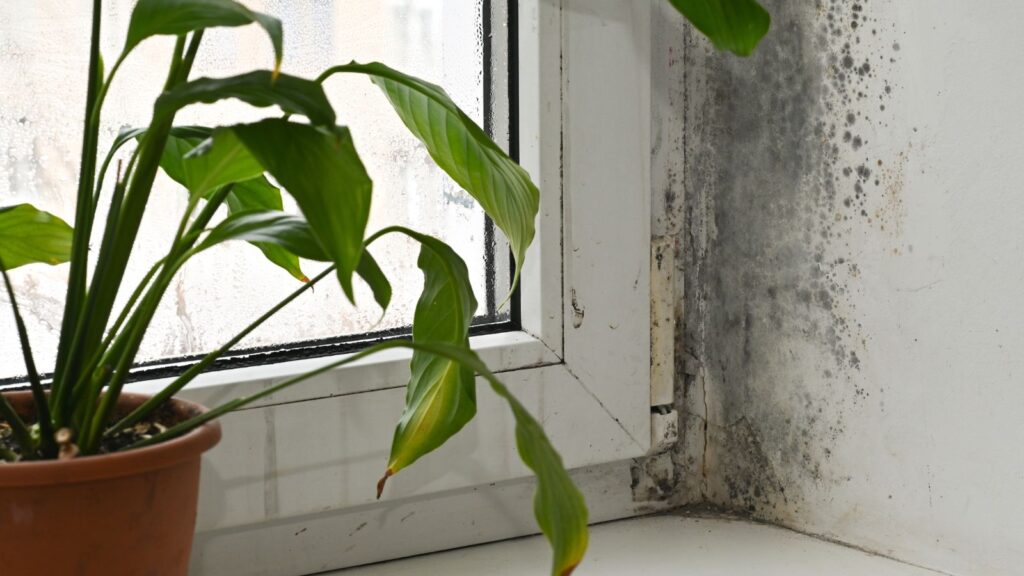
Mold often grows in places you rarely see, such as behind walls, under sinks, or inside HVAC systems. It thrives in damp environments and can develop slowly after minor leaks or humidity issues. Because it stays out of sight, mold exposure can continue long before you realize it exists.
Addressing moisture is the most effective fix. Repairing leaks promptly, using dehumidifiers in damp areas, and ensuring proper ventilation in bathrooms and kitchens helps prevent growth. If mold is suspected, professional inspection and removal may be necessary to fully resolve the issue.
Electrical Hazards From Aging Wiring
Older homes often have electrical systems that were never designed for modern energy demands. Outdated wiring, overloaded outlets, and worn cords increase the risk of electrical fires. These problems usually develop quietly until something goes wrong.
Upgrading outlets, replacing damaged cords, and avoiding overloaded power strips reduces risk significantly. Having an electrician inspect older wiring provides peace of mind. Preventive upgrades are far safer than reacting to an emergency.
Slips and Falls From Clutter and Poor Lighting
Falls are one of the most common causes of household injuries, especially in hallways, staircases, and bathrooms. Clutter, loose rugs, and dim lighting make everyday movement more dangerous than it appears. These hazards are easy to overlook because they feel normal.
Clearing walkways and improving lighting immediately lowers risk. Securing rugs with non slip backing and adding night lights in dark areas helps prevent accidents. Small adjustments create safer movement throughout the home.
Carbon Monoxide Exposure
Carbon monoxide is especially dangerous because it is odorless and invisible. Faulty appliances, blocked vents, or improper ventilation can allow gas to build up without warning. Exposure often goes unnoticed until symptoms appear.
Installing carbon monoxide detectors on every level of the home is essential. Keeping appliances serviced and vents clear reduces the chance of buildup. Early detection is critical because carbon monoxide exposure can escalate quickly.
Fire Risks From Everyday Items
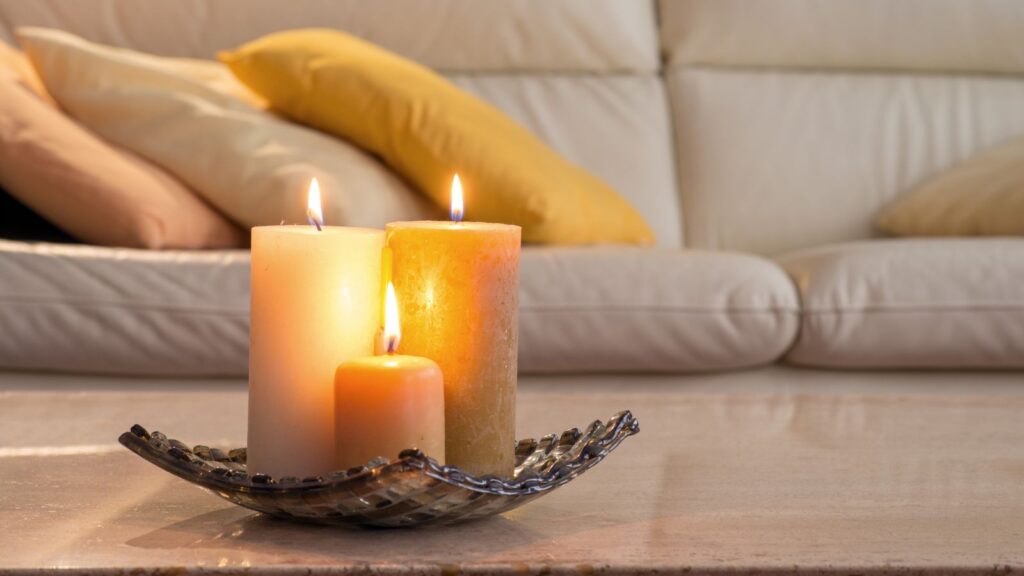
Many household fires start from common items like candles, space heaters, or overloaded outlets. These risks increase when devices are left unattended or used improperly. The danger often feels distant until an accident happens.
Keeping flammable items away from heat sources lowers risk immediately. Using space heaters carefully and unplugging devices when not in use helps prevent incidents. Fire extinguishers and smoke detectors provide added protection when placed correctly.
Unsecured Furniture and Heavy Objects
Tall furniture and mounted items can tip over, especially in homes with children or pets. Dressers, bookshelves, and televisions pose serious injury risks if they are not anchored properly. The danger is often underestimated because these items appear stable.
Securing furniture to walls greatly reduces the chance of tipping. Using anchors and brackets designed for heavy items adds stability. This simple step prevents injuries that are both sudden and severe.
Hidden dangers in the home often persist because they do not announce themselves clearly. Once identified, most can be addressed with practical adjustments rather than major renovations. Awareness combined with small fixes creates a safer living environment. Preventing problems early protects both your home and the people inside it.
Featured on Happy From Home: