10 Foods You Should Never Eat as Leftovers
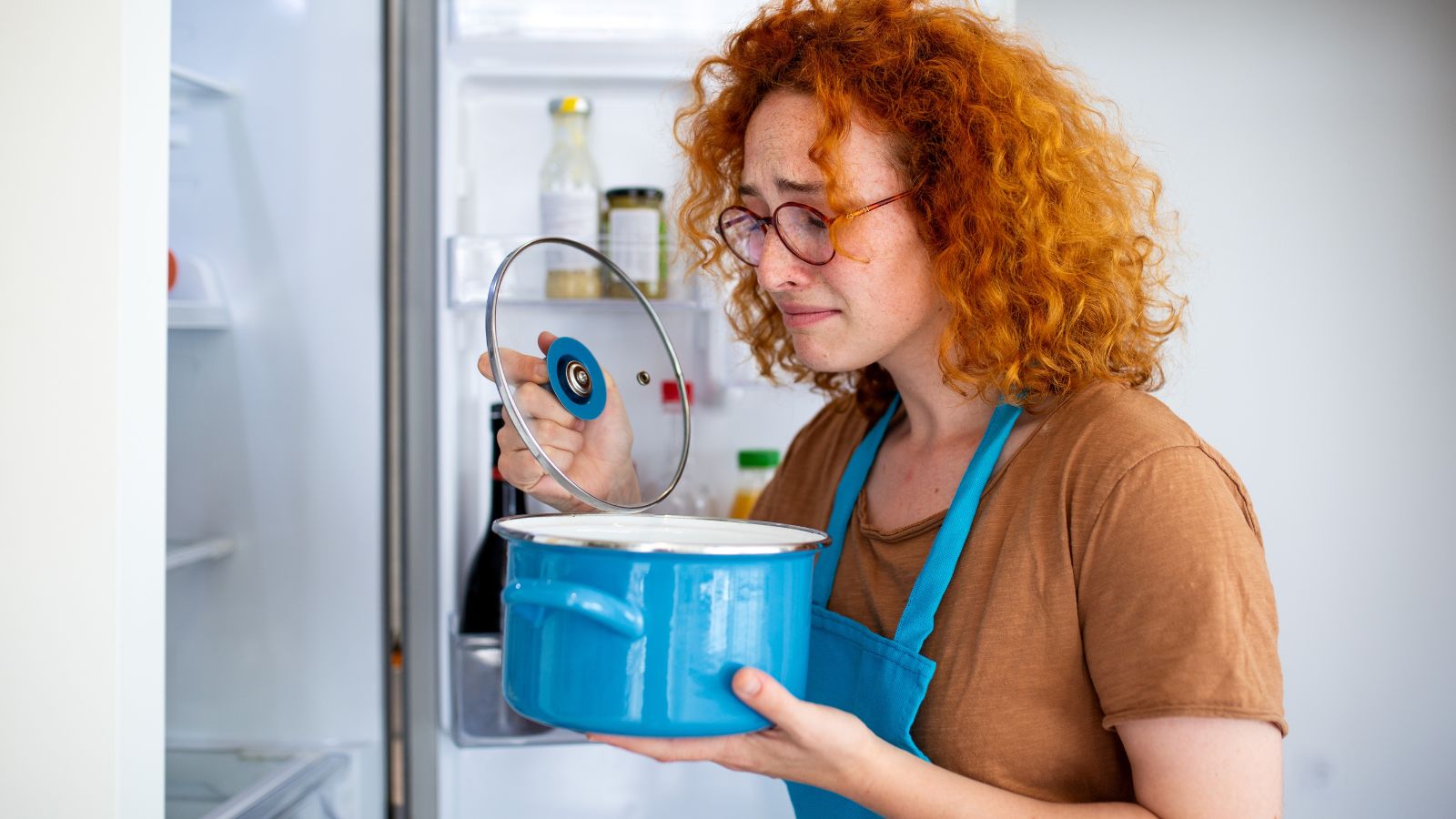
Leftovers can save time and money, and most of us rely on them at least occasionally. Cooking once and eating twice feels efficient, especially on busy weeks. The problem is that not every food handles a second round in the fridge very well.
Some foods lose texture and flavor in a way that makes them disappointing. Others can become unsafe if they are not stored or reheated properly. Knowing the difference can save you from both a bad meal and a potential stomachache. Here are ten foods that are usually better fresh than reheated the next day.
Fried Foods
French fries, fried chicken, and other crispy favorites tend to lose their crunch almost immediately. Once they sit in the refrigerator, the coating absorbs moisture and turns soft.
Reheating can help slightly, especially in an oven or air fryer, but the texture rarely returns to its original crispness. What once tasted fresh and satisfying can end up feeling greasy and limp.
Scrambled Eggs
Eggs are generally safe to reheat if stored properly, but scrambled eggs often change in texture after a day in the fridge. They can become rubbery or dry, especially if they were cooked thoroughly the first time.
Because eggs continue to cook when reheated, the result can feel overdone and unappetizing. Making a smaller batch fresh usually produces a better experience.
Seafood
Fish and shellfish are especially sensitive to time and temperature. Even when refrigerated promptly, they can develop strong odors and a different texture after a day or two.
Reheating seafood also tends to intensify the smell, which can make the meal less enjoyable. If you plan to cook fish, it is often best to prepare only what you intend to eat that day.
Cream-Based Sauces
Pasta dishes made with heavy cream or cheese sauces can separate when chilled and reheated. The texture may turn grainy or oily, even if the flavor remains decent.
While some sauces can be revived with careful reheating and a splash of liquid, many lose the smooth consistency that made them appealing in the first place.
Leafy Green Salads
Once dressing touches lettuce or other leafy greens, the texture changes quickly. The leaves wilt, become soggy, and lose their fresh bite.
Even if the salad is stored in the refrigerator, it rarely regains its original crispness. If you want leftovers, keeping dressing separate can help, but fully assembled salads are best eaten right away.
Cooked Rice Left at Room Temperature Too Long
Rice can be safely stored and reheated, but only if it is cooled and refrigerated promptly. When left at room temperature for extended periods, rice can develop bacteria that are not destroyed by reheating.
If you are unsure how long it sat out, it is safer to discard it. Proper storage makes a big difference with this particular food.
Reheated Steak
Steak can be safe to eat the next day, but reheating often overcooks it. What was once juicy and tender can turn tough and dry.
Some people prefer slicing leftover steak cold for salads or sandwiches instead of reheating it. That approach can preserve more of the original texture.
Fried Eggs
Much like scrambled eggs, fried eggs do not handle reheating gracefully. The yolk often loses its texture, and the whites can become chewy.
Because eggs cook quickly, preparing them fresh usually requires less effort than trying to salvage leftovers that no longer taste the same.
Pasta With Seafood
Combining seafood with pasta creates a dish that is especially sensitive to time. Both the seafood and the noodles can suffer in texture after sitting in the fridge.
Reheating may lead to overcooked fish and overly soft pasta. The flavors can also become stronger in a way that feels less balanced.
Saucy Sandwiches
Sandwiches made with tomatoes, sauces, or spreads tend to become soggy when stored. The bread absorbs moisture and loses structure.
Even if the filling remains fine, the texture of the bread often makes the leftover unappealing. Keeping components separate before assembling can help, but fully built sandwiches rarely improve overnight.
Fresh is Sometimes the Better Choice
Leftovers are a smart way to reduce waste, and many dishes reheat beautifully. The key is knowing which foods hold up and which ones are better enjoyed right away.
If texture, flavor, or safety is compromised, forcing yourself to eat it simply because it is there may not be worth it. Planning portions thoughtfully can help you avoid disappointment and keep meals both satisfying and safe.
Featured on Happy From Home: