10 Household Items You Should Stop Overusing Right Now
It’s common to assume that if something helps, more of it must be better. That mindset shows up all over the house, especially with products you use every single day. The problem is that overusing certain items doesn’t actually make your home cleaner, safer, or more efficient. In many cases, it wastes money, damages surfaces, or creates extra work you didn’t need in the first place.
If you’ve ever thought you were being thorough only to realize you were making things harder, this will probably sound familiar. Here are ten household items you may want to stop overusing.
Laundry detergent
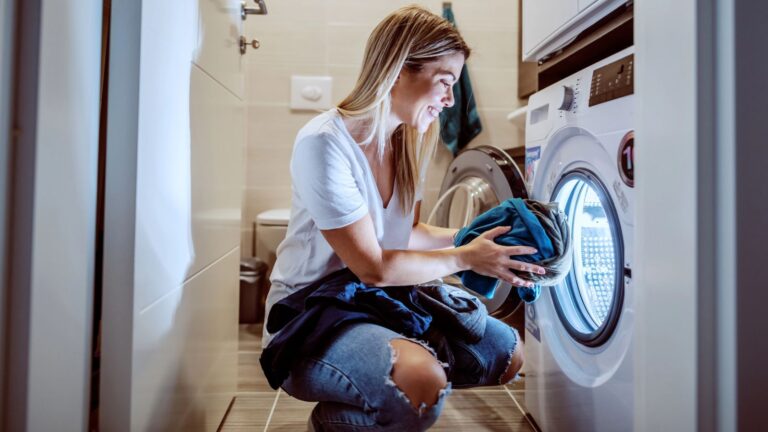
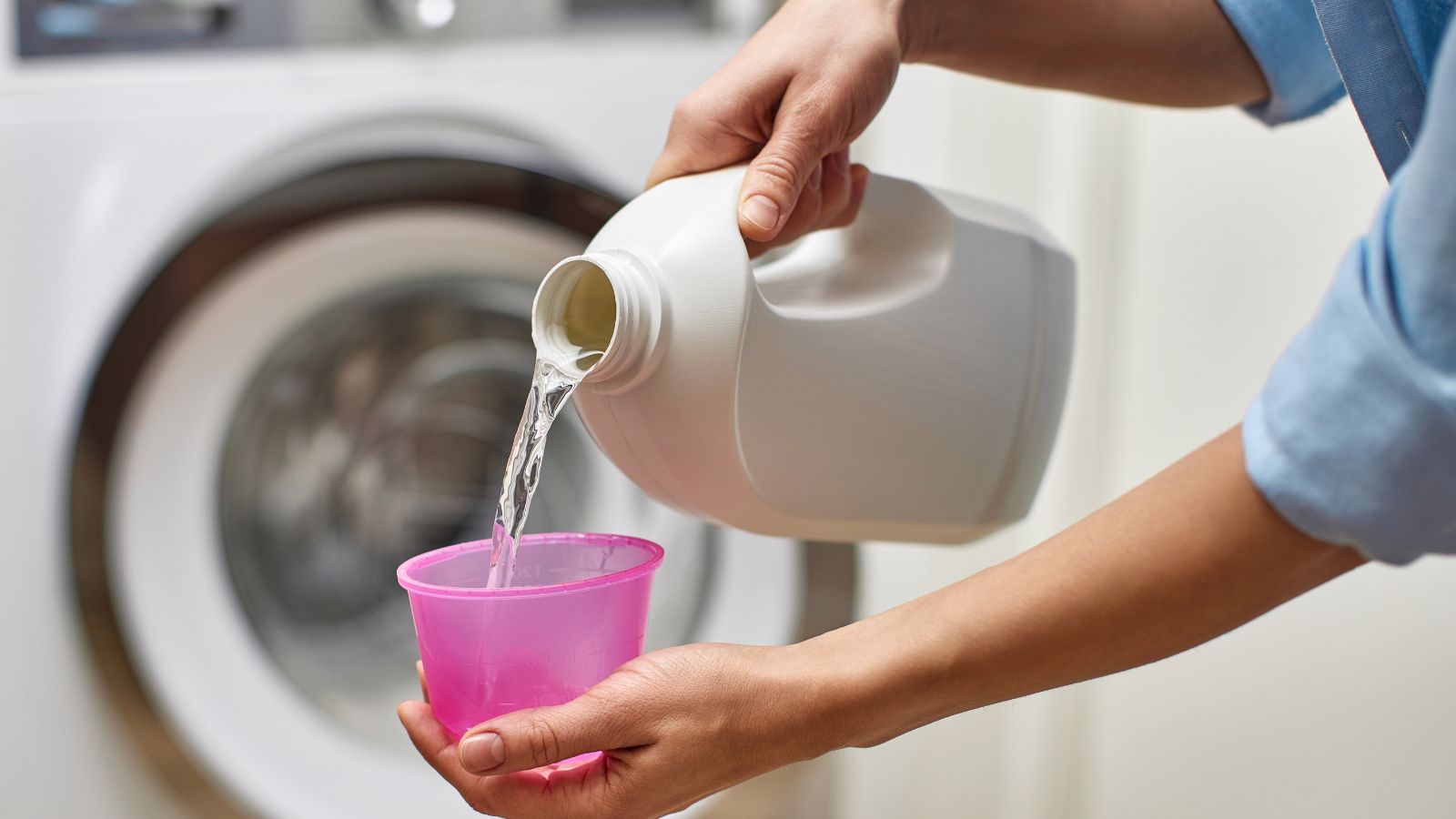
It’s tempting to pour a little extra detergent into the washer, especially if the clothes look heavily soiled. You might assume more soap equals cleaner clothes.
In reality, too much detergent leaves residue behind, which can trap odors and make fabrics feel stiff. It also forces your machine to work harder during the rinse cycle, which isn’t great for long-term maintenance.
Disinfectant wipes
Disinfectant wipes feel convenient, so it’s easy to grab one for every surface. You may use them on counters, appliances, tables, and anything that looks slightly questionable.
Using them constantly can dry out certain finishes and create unnecessary chemical exposure. For everyday messes, a simple cloth and mild cleaner often do the job just as well.
Paper towels
Paper towels are useful, but they’re often used for tasks that don’t require something disposable. Reaching for them out of habit can turn into a constant cycle of tearing off sheet after sheet.
Reusable cloths handle most spills just fine and save money over time. When paper towels become the default for every little thing, you’re essentially throwing away cash with each wipe.
Air fresheners
Spraying a room when it smells off feels like a quick fix. The scent gives the impression that the problem has been solved.
Overusing air fresheners can mask underlying issues rather than address them. Opening a window, cleaning the source, or improving ventilation usually works better than layering fragrance on top.
Fabric softener
Fabric softener promises softer clothes and fewer wrinkles, so it’s easy to use it in every load. Many people pour it in without thinking twice.
Too much softener can build up on fabrics and in your washing machine. That buildup reduces absorbency in towels and athletic wear, which defeats the purpose of washing them in the first place.
Bleach
Bleach feels powerful, so it can seem like the ultimate solution for stains and germs. You might reach for it anytime something looks stubborn.
Frequent use can damage fabrics, discolor surfaces, and create strong fumes that aren’t necessary for routine cleaning. In many cases, a milder cleaner handles the job without the side effects.
Nonstick cooking spray
A quick spray in the pan seems harmless, especially when you’re trying to prevent sticking. It feels easier than brushing oil manually.
Over time, cooking spray can create a sticky residue that’s hard to remove and shortens the life of nonstick surfaces. Using a measured amount of oil often works better and keeps your cookware in better shape.
Dishwasher detergent
Just like laundry detergent, adding extra dishwasher detergent doesn’t improve results. If your dishes look dirty, you might assume the solution is more product.
Excess detergent can leave cloudy residue on glasses and create buildup inside the machine. Following the recommended amount usually produces cleaner results with less waste.
Hand soap
Pumping multiple squirts of soap into your hands can feel more hygienic. You may think you’re ensuring a deeper clean.
A small amount of soap combined with proper washing technique is typically enough. Using too much can dry out your skin and cause you to go through bottles faster than necessary.
Cleaning products in general
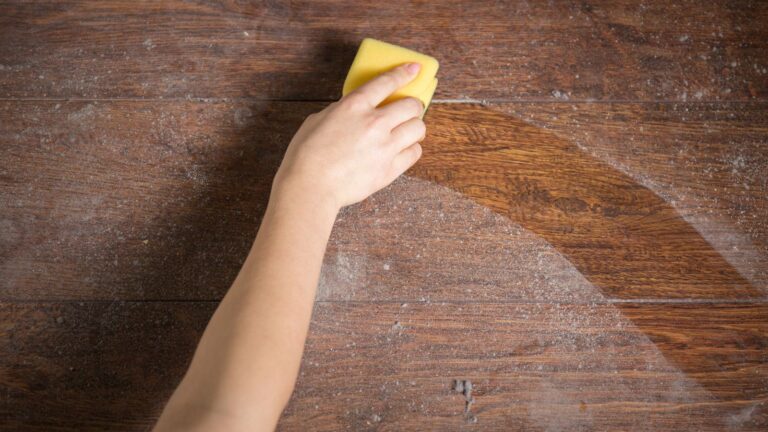
When you’re tackling a messy space, layering multiple cleaners can feel like being thorough. You might spray, wipe, and then spray again just to be safe.
More product doesn’t automatically mean better results. It can leave streaks, damage finishes, and require extra rinsing that adds to your workload.
Overusing household items usually comes from good intentions. You want your home to feel clean, fresh, and under control. Still, using the right amount instead of the maximum amount often saves money, protects your space, and simplifies your routine. Sometimes, less really does make your life easier.
Featured on Happy From Home: