
12 Cleaning Habits People Say Are a Waste of Time
Cleaning advice gets passed down so casually that many habits stick around simply because they feel normal. Over time, people follow routines they were taught years ago without stopping to ask whether they actually make a difference. As schedules get tighter and expectations shift, frustration grows around tasks that take effort without delivering visible results. These are the cleaning habits many people now question, not because they dislike cleaning, but because the payoff no longer feels worth the time.
This article may contain affiliate links. See our disclosure policy for more info.
Dusting Before Vacuuming
Dusting first often feels logical because it seems like it should knock debris to the floor. In practice, it usually creates more work than it saves.
Dust settles again quickly, especially when floors have not been cleaned yet. Many people find it more efficient to vacuum first so dust and debris are removed instead of redistributed. The habit lingers because it sounds right, not because it works better.
Washing Windows Too Frequently

Clean windows feel satisfying, but washing them often takes more time than most people expect. Smudges and streaks show up quickly, especially in homes with kids or pets.
People question this habit because the results rarely last long enough to justify the effort. Spot cleaning when needed often delivers the same visual impact without turning into a full-day task.
Deep Cleaning Every Room on the Same Day
Doing a whole-house deep clean in one session sounds productive, but it often leads to burnout. The effort feels overwhelming before real progress becomes visible.
Many people find that breaking cleaning into smaller, focused sessions works better. The all-at-once approach feels like a waste of time when exhaustion sets in halfway through and the house still does not feel finished.
Constantly Reorganizing Instead of Decluttering
Reorganizing feels productive because it creates the illusion of order. Moving items into bins or new layouts can look like progress.
The problem is that clutter stays clutter, even when it is arranged neatly. People realize the time spent reorganizing would have been better used removing items entirely. Organization without reduction rarely sticks.
Cleaning With Multiple Specialty Products
Using a different product for every surface feels thorough, but it often slows everything down. Switching bottles, reading labels, and storing supplies adds friction to the process.
Many people discover that fewer, versatile products get the same results. The habit of over-product use feels unnecessary once simplicity proves more efficient.
Recleaning Spaces That Are Barely Used
Guest rooms, formal dining areas, and rarely used spaces often get cleaned on the same schedule as high-traffic rooms. That effort does not always match actual use.
People question why time is spent maintaining areas that stay clean most of the time. Adjusting cleaning frequency based on use often saves time without sacrificing cleanliness.
Hand Washing Items That Could Go in the Dishwasher
Hand washing feels gentler or more controlled, which makes it seem like the better option. Many people were taught that certain items should never go in the dishwasher.
Modern dishwashers handle far more than expected, and hand washing often takes longer while using more water. Once people test alternatives, the habit starts to feel outdated.
Over-Scrubbing Already Clean Surfaces
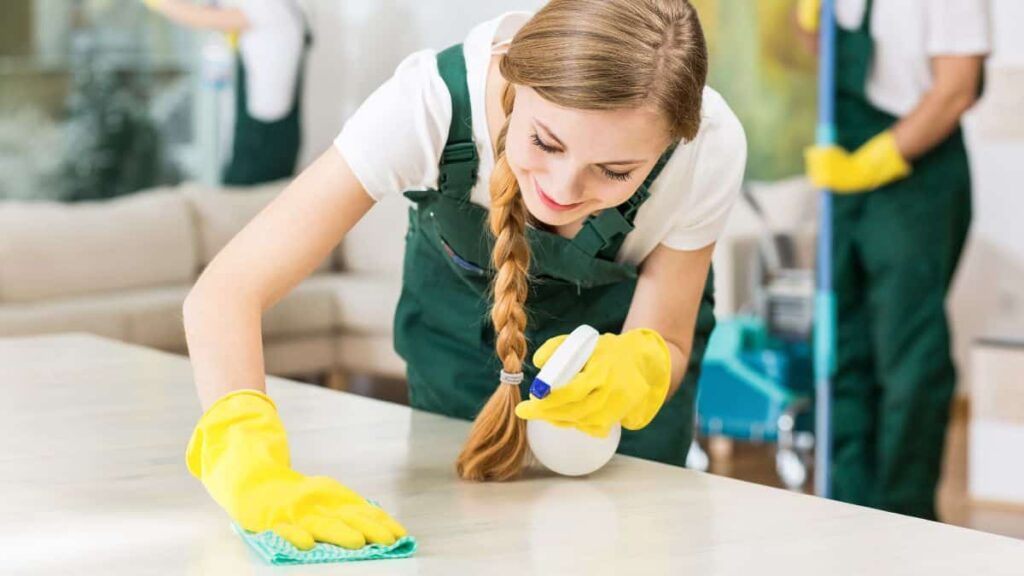
Scrubbing something that looks clean feels thorough, but it rarely improves results. The effort comes from habit rather than need.
People grow frustrated when time is spent chasing perfection no one notices. Light maintenance often works just as well as aggressive cleaning, especially on surfaces that get regular attention.
Cleaning as You Go Without a Clear System
Cleaning as you go sounds efficient, but without a plan, it often leads to constant stopping and starting. Tasks get interrupted before momentum builds.
Many people realize focused cleaning blocks work better for their routines. The habit feels inefficient when it prevents completing anything fully.
Washing Towels and Bedding Too Often
Frequent washing feels hygienic, but it adds to laundry overload quickly. Towels and sheets often get cleaned before they actually need it.
People question this habit when time, energy, and utility costs rise. Extending use slightly often makes no noticeable difference in cleanliness while reducing workload.
Following Social Media Cleaning Trends
Trendy cleaning routines promise faster or better results, but they often complicate simple tasks. Trying every new method takes time without guaranteeing improvement.
People grow skeptical when trends add steps instead of removing them. The habit feels like a distraction rather than a solution once novelty wears off.
Cleaning for Appearances Instead of Function
Cleaning based on what looks good to others often drives unnecessary effort. Areas that matter less get prioritized because they are visible.
Over time, people question why energy goes into surfaces that do not impact daily life. Functional cleanliness feels more rewarding than perfection aimed at outside judgment.
Cleaning habits tend to stick because they sound right or feel familiar. Questioning them does not mean lowering standards. It means choosing effort that actually makes life easier instead of just busier.
Featured on Happy From Home: