
13 Popular Health Foods People Are Starting to Question
For years, certain foods earned a reputation for being automatically healthy, which meant they landed in shopping carts without much thought. Labels, trends, and marketing often did the heavy lifting, while people assumed the price and popularity reflected real benefits.
This article may contain affiliate links. See our disclosure policy for more info.
Lately, more shoppers are slowing down and looking more closely at ingredients, processing, and how these foods actually make them feel. That closer look has caused some long-trusted options to lose their glow. These are thirteen popular health foods people are increasingly questioning.
Flavored Yogurt
Flavored yogurt is often marketed as a protein-packed, gut-friendly option, especially for breakfast or snacks. Once people look past the health halo, the sugar content starts to stand out, sometimes rivaling desserts.
Many are realizing the benefits come with tradeoffs they did not expect. Added sugars and artificial flavors make it less appealing than plain versions. The convenience no longer outweighs what gets added along the way.
Granola and Granola Bars
Granola gained popularity as a wholesome alternative to cereal, filled with oats, nuts, and seeds. The problem becomes clear when portions and sugar content are examined more closely.
People are questioning whether something so calorie-dense deserves its healthy reputation. Sweeteners and oils often push it closer to a dessert than a staple. The packaging feels more misleading once labels get attention.
Plant-Based Meat Alternatives
Plant-based meat products promised a healthier and more sustainable option. As ingredients lists get longer, people are reconsidering whether highly processed substitutes belong in the health category.
Many are uncomfortable with how far removed these products are from whole foods. While they still serve a purpose for some, the automatic health label no longer feels accurate. Processing has become part of the conversation.
Fruit Juice and Juice Cleanses
Fruit juice has long been associated with vitamins and freshness. Without the fiber found in whole fruit, people are realizing the sugar impact is much higher than expected.
Juice cleanses are facing similar scrutiny. The lack of protein and fat leaves many feeling drained rather than energized. What once felt cleansing now feels unbalanced.
Protein Bars
Protein bars are marketed as convenient fuel, especially for busy schedules. Once labels are reviewed, many resemble candy bars with added protein.
People are questioning whether the protein justifies the sugar and additives. The bars may still have a place, but blind trust has faded. Convenience no longer guarantees quality.
Smoothies From Cafes
Smoothies sound healthy by default, filled with fruits, greens, and supplements. When ordered from cafes, they often include sweeteners, syrups, or oversized portions.
People are starting to question whether these drinks align with their goals. Homemade versions feel easier to control. The café version feels less transparent.
Low Fat or Fat Free Products
Low-fat labels were once seen as the healthier choice. Many of these products replace fat with sugar or thickeners to maintain flavor.
As nutrition understanding evolves, people are reconsidering whether fat was ever the real issue. Whole versions often feel more satisfying and balanced. The label alone no longer convinces.
Gluten Free Packaged Snacks
Gluten-free products are essential for some people, but many buy them assuming they are healthier by default. Once ingredients are examined, they often contain refined starches and sugars.
People without sensitivities are questioning the benefit. Paying more for a label that does not improve nutrition feels unnecessary. The assumption is being challenged.
Sports Drinks
Sports drinks are marketed as performance enhancers, even for light activity. Many people are realizing they are often consuming them during routine workouts or daily errands.
The sugar and additives feel excessive once hydration needs are reassessed. Water suddenly feels sufficient again. The drinks lose their appeal outside intense activity.
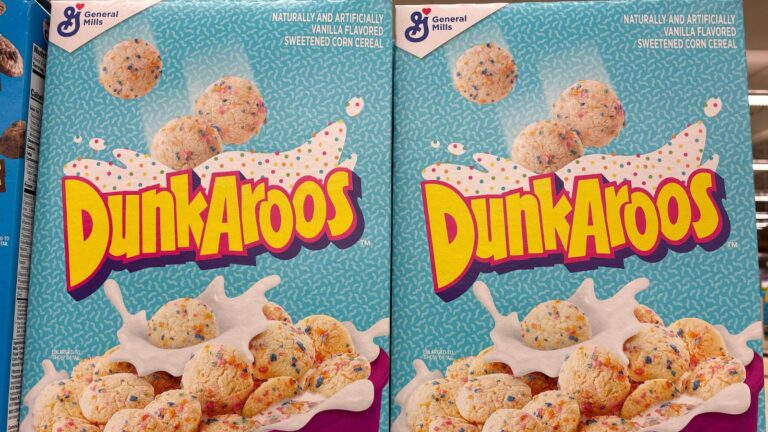
Breakfast Cereals With Health Claims
Cereals marketed as heart-healthy or whole-grain often carry bold claims on the front. Turning the box around reveals added sugars and refined grains.
People are questioning whether marketing language replaced substance. What once felt like a responsible breakfast now feels questionable. Labels are being read more carefully.
Coconut Oil
Coconut oil rose quickly as a superfood staple. As research evolved, people began questioning its high saturated fat content.
Many now see it as one option rather than a miracle ingredient. Moderation feels more appropriate than daily use. The hype has cooled.
Nut Milks With Additives
Nut milks are popular alternatives to dairy, often perceived as cleaner and lighter. Ingredient lists sometimes include gums, oils, and sweeteners.
People are questioning whether the simplicity they expected actually exists. Making or choosing minimal ingredient versions feels more aligned with original intentions. Not all alternatives feel equal anymore.
Vitamin Fortified Snack Foods
Snack foods fortified with vitamins often appear healthier at first glance. The nutrients are highlighted, while the base ingredients stay ultra-processed.
People are questioning whether added vitamins offset the rest of the product. Fortification no longer automatically signals quality. Whole foods feel like a safer bet again.
Questioning popular health foods does not mean abandoning them entirely. It reflects a shift toward curiosity and personal awareness instead of following labels blindly. As understanding grows, so does the willingness to choose based on how food actually fits into real life.
Featured on Happy From Home: