7 Reasons Your House Is so Dusty and How to Fix it, According to Experts
If it feels like your home gets dusty almost as soon as you finish cleaning, you are not imagining it. Dust buildup is often the result of everyday conditions working against you, not a lack of effort. Small issues in airflow, cleaning habits, and even home layout can cause dust to settle faster than expected.
This article may contain affiliate links. See our disclosure policy for more info.
Understanding where dust actually comes from makes it much easier to control. According to cleaning and indoor air quality experts, these are seven common reasons your house stays dusty and what actually helps fix the problem.
Your Air Filters Are Dirty or Low Quality
One of the biggest contributors to excess dust is a neglected HVAC filter. When filters are clogged or poorly rated, they stop trapping particles and instead circulate them throughout your home. That dust settles on furniture, floors, and surfaces no matter how often you clean.
Experts recommend changing filters regularly and using higher-quality options designed to trap smaller particles. A better filter reduces airborne dust before it has a chance to settle. Keeping up with replacements makes a noticeable difference in how quickly dust builds up.
You Are Letting Dust in Through Doors and Windows

Every time doors and windows open, dust from outside enters your home. Gaps, worn seals, and poor weather stripping allow even more particles inside without you realizing it. Over time, that outdoor dust accumulates quickly.
Sealing gaps around doors and windows helps limit what comes in. Experts suggest checking weather stripping annually and replacing it when needed. Reducing outside dust at the source makes cleaning inside much easier.
Your Floors and Rugs Trap More Dust Than You Think
Carpet and area rugs act like magnets for dust, pet dander, and debris. Even when they look clean, particles settle deep into the fibers and get stirred back into the air when you walk. That movement redistributes dust throughout the room.
Vacuuming regularly with a machine that has a sealed system and proper filtration helps reduce buildup. Experts also recommend deep cleaning carpets periodically. If dust is a constant issue, minimizing rugs in certain areas may help.
You’re Dusting the Wrong Way
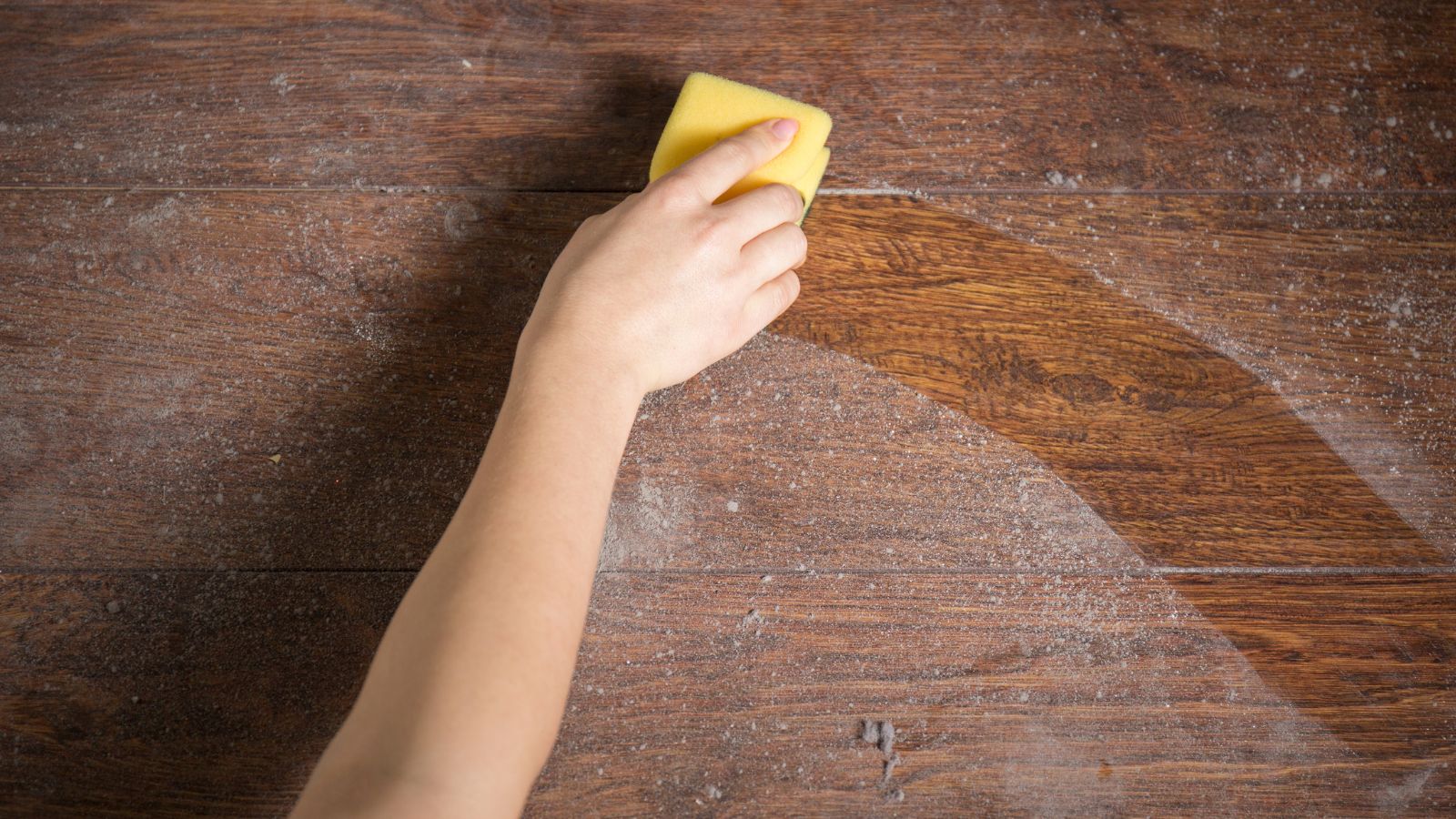
Dry dusting often pushes particles into the air instead of removing them. Feather dusters and dry cloths tend to spread dust around rather than capture it. That makes surfaces look clean briefly before dust resettles.
Experts advise using damp microfiber cloths that trap particles instead of moving them. Wiping surfaces top to bottom prevents dust from falling onto already cleaned areas. Technique matters just as much as frequency.
Your Home Has Poor Air Circulation
Stagnant air allows dust to settle more easily. When air does not circulate properly, particles linger and collect on surfaces instead of being filtered out. Closed off rooms are especially prone to this issue.
Improving airflow with fans or adjusting vents helps keep dust from settling. Experts often suggest running ceiling fans occasionally and making sure vents are not blocked. Better circulation reduces how much dust lands on surfaces.
Pets Are Bringing Dust Inside

Pets contribute more to household dust than many people realize. Fur, dander, and particles tracked in from outside all add to the problem. Even short trips outdoors introduce debris.
Regular grooming helps limit how much your pets shed inside the home. Experts also recommend washing pet bedding frequently and vacuuming areas where pets spend the most time. Managing pet related dust keeps buildup under control.
You Clean Infrequently or in the Wrong Order
Dust accumulates quickly when cleaning routines are inconsistent. Skipping certain areas allows buildup to spread elsewhere. Cleaning floors before surfaces also causes dust to resettle.
Experts suggest cleaning from the top down so dust falls where it can be removed last. Sticking to a regular schedule prevents buildup from becoming overwhelming. Consistency makes dust easier to manage.
A dusty home is usually the result of multiple small factors working together. Fixing just one may not solve the problem completely, but addressing several often leads to noticeable improvement. With the right adjustments, dust becomes manageable instead of constant.
Featured on Happy From Home: