7 Things You Should Never Store In Your Garage, According To Experts
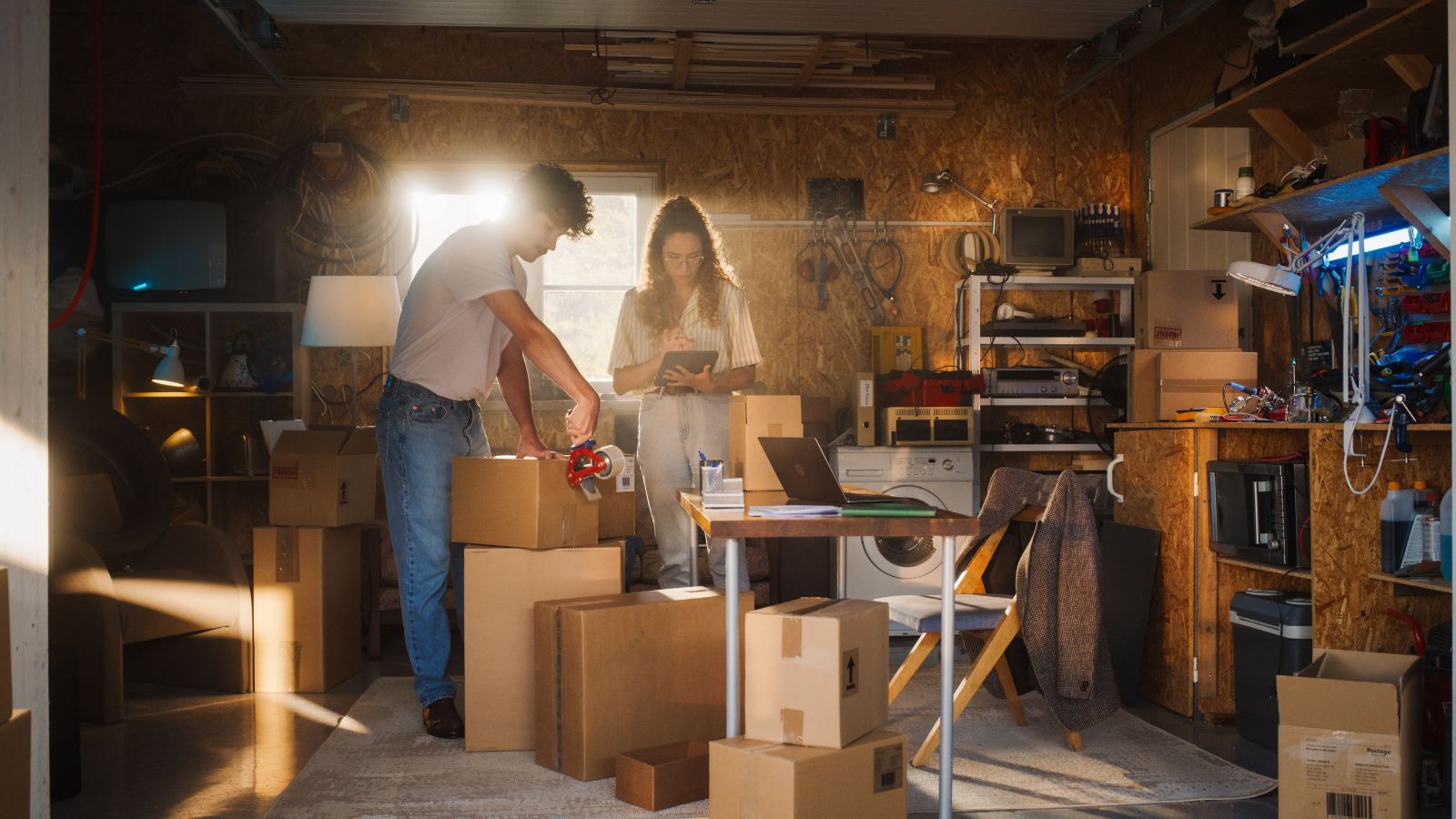
Garages tend to turn into catch all spaces without much thought. If it does not fit inside the house, it often ends up pushed against a wall or stacked in a corner. Over time, that habit creates problems most people do not notice right away. Temperature swings, humidity, and pests make garages a rough place for certain items. What feels harmless storage now can lead to damage or safety issues later. These are seven things you should never store in your garage, according to experts.
This article may contain affiliate links. See our disclosure policy for more info.
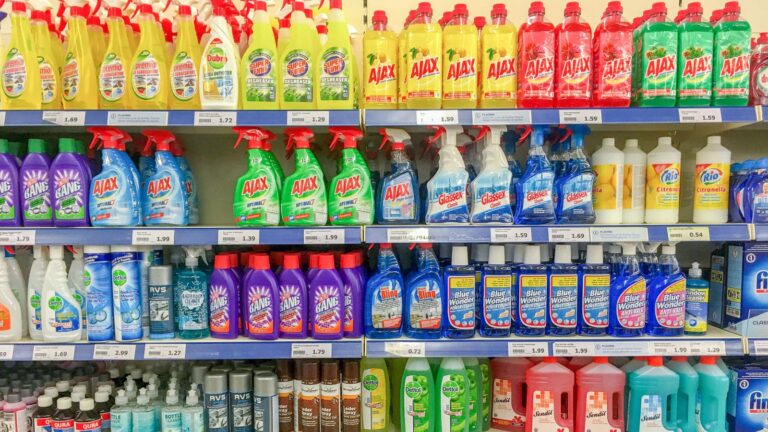
Paint and Paint Supplies
Paint does not handle extreme temperature changes well. In hot weather it can separate or dry out, and in cold weather it can freeze and become unusable. Even sealed cans are affected over time.
You may not notice the damage until you open the can months later. Brushes and rollers also break down faster in heat and humidity. Storing paint indoors where temperatures stay stable helps it last longer. The garage often does more harm than good.
Important Paperwork and Documents
Paper is extremely sensitive to moisture and temperature changes. Garages often have higher humidity levels, even if they feel dry most of the time. That environment causes papers to warp, fade, or grow mold.
You may think boxes protect documents, but moisture still gets in. Birth certificates, tax records, and insurance paperwork should stay inside your home. A climate controlled space protects them far better. Losing important papers creates unnecessary stress later.
Electronics and Batteries
Electronics do not tolerate heat or cold well. Garages regularly experience both, sometimes within the same day. Batteries can leak or lose charge faster when exposed to temperature extremes.
You may store old laptops, tools, or spare batteries thinking they are safe. Over time, damage builds quietly. Devices may not work when you need them again. Keeping electronics indoors protects their lifespan and performance.
Pet Food and Bird Seed
Garages attract pests, even when they seem sealed. Pet food and seed are strong magnets for rodents and insects. Plastic containers rarely stop determined pests.
You may not notice a problem until packaging is chewed through. Contamination becomes a real risk. Storing food indoors in airtight containers keeps it safer. The garage makes pest problems more likely.
Wooden Furniture and Musical Instruments
Wood reacts to humidity and temperature changes. Garages provide plenty of both. Over time, wood warps, cracks, or loosens at joints.
You may plan to refinish or use the item later, only to find permanent damage. Musical instruments are especially sensitive. Indoor storage preserves condition and sound. Garages slowly ruin wood without warning.
Propane Tanks and Fuel Containers
Fuel storage in garages creates safety risks. Heat increases pressure inside containers, which raises the chance of leaks or accidents. Even small amounts become dangerous under the right conditions.
You may assume sealed containers are safe. Experts recommend storing fuel in well ventilated outdoor spaces instead. Safety matters more than convenience. The garage is not the right place for these items.
Clothing and Fabric Items
Fabric absorbs moisture easily. Garages often hold damp air even when they seem dry. That leads to mildew, odors, and pest damage.
You may store seasonal clothing or linens thinking they are protected in bins. Over time, damage becomes obvious. Indoor closets or storage areas work better. Fabrics last longer in controlled environments.
Using your garage for storage makes sense, but not for everything. Knowing what does not belong there helps prevent damage and frustration. Small changes protect valuable items. Smart storage saves money over time.
More From Happy From Home: