
Cafe Manager Says the Woman Who Lived Above Her Restaurant Cut to the Front of a Packed Line to Demand a Private Outdoor Table and Burst Into Tears and Called Her Abusive When She Said “No” Again
She was 4’11, in her mid-20s, running a shift alone during a packed morning rush, making soufflé pancakes that took 20 minutes per batch, pulling coffees, plating breakfast items, and working through a long line of waiting customers. That’s the moment the woman from upstairs chose to cut to the front and restart the same argument she’d been having with her for weeks.
This article may contain affiliate links. See our disclosure policy for more info.
The cafe had briefly offered outdoor seating while waiting on licensing approval, and during that window the woman had become a fixture. She’d order a latte, ask for a discount because she lived in the flats above, and sit outside for hours watching the street. When the seating had to come inside to avoid a fine, something in her shifted. She started coming down daily asking for a single table and chair to be put out just for her.
The Explanation That Never Landed
Every time, the answer was the same. The license hadn’t come through yet. Putting outdoor seating out meant risking a fine the cafe couldn’t afford. It wasn’t personal, it wasn’t negotiable, and it wasn’t going to change until the paperwork was approved. The high street they were on had multiple other cafes with licensed outdoor seating available. There were window-facing indoor seats inside. The options existed. She just wanted this specific cafe’s table, and she wanted it for free with a discount on her latte.
When direct requests stopped working, she changed tactics. She started approaching staff members whenever the manager wasn’t nearby, claiming she’d been given special permission to bring a table outside. The staff didn’t fall for it, but the attempts kept coming. She also told them their manager must be an abusive boss for not letting them make their own decisions, which was a transparent attempt to drive a wedge between the manager and her team using a licensing dispute as the wedge.
What Happened During the Rush
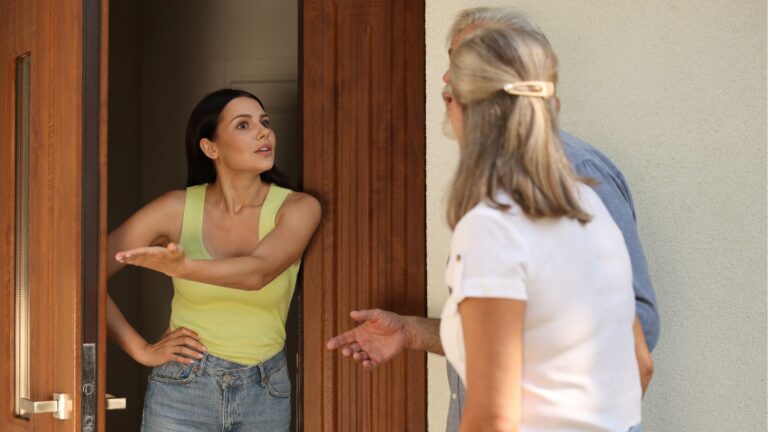
The morning she cut the queue was already one of the harder shifts. The cafe was packed, the line was long, customers were waiting, and she was managing everything alone. The woman walked past everyone waiting, got to the front, and launched into the outdoor seating argument again as if the surrounding chaos wasn’t happening.
The manager told her clearly that she’d explained multiple times they couldn’t risk a fine just to put seating outside for her, and went back to the customers who had been waiting. That was the whole exchange. The woman’s response was to burst into tears and start loudly accusing her of being aggressive, abusive, and intimidating. In front of a full cafe. While the actual aggressive party in the room was the one who had just cut a line of customers to restart a month-long argument during a breakfast rush.
The Performance That Followed
She announced she was never coming back. She stormed toward the door and tried to convince other customers to leave with her in protest. Nobody followed. After she left, several customers approached the counter and apologized to the manager on the woman’s behalf, which is its own kind of remarkable given that they’d all been waiting in the line that got cut.
The dramatic exit didn’t hold. She came back afterward, continued asking for discounts, and kept pressuring staff about the outdoor seating. The announcement that she’d never return was apparently more of a threat than a commitment.
What the Whole Situation Reveals
A soufflé pancake cafe on a busy high street is not an unreasonable place to spend time. Wanting to sit outside and watch the street go by is a perfectly human thing to want. What stops being reasonable is demanding that a small business risk a regulatory fine to accommodate one person’s preference when identical options exist twenty feet away, and then escalating to staff manipulation, false permission claims, and a public crying scene when the answer remains no.
The woman never seemed to engage with the straightforward reality that the seating was gone because of a legal requirement, not a personal decision aimed at inconveniencing her. Every neighboring cafe with outdoor tables was a solution she could have chosen at any moment. She chose this one, and she chose it every day, in ways that consumed staff time, created tension, and culminated in a scene that the other customers felt the need to apologize for on her behalf.
Featured on Happy From Home: