
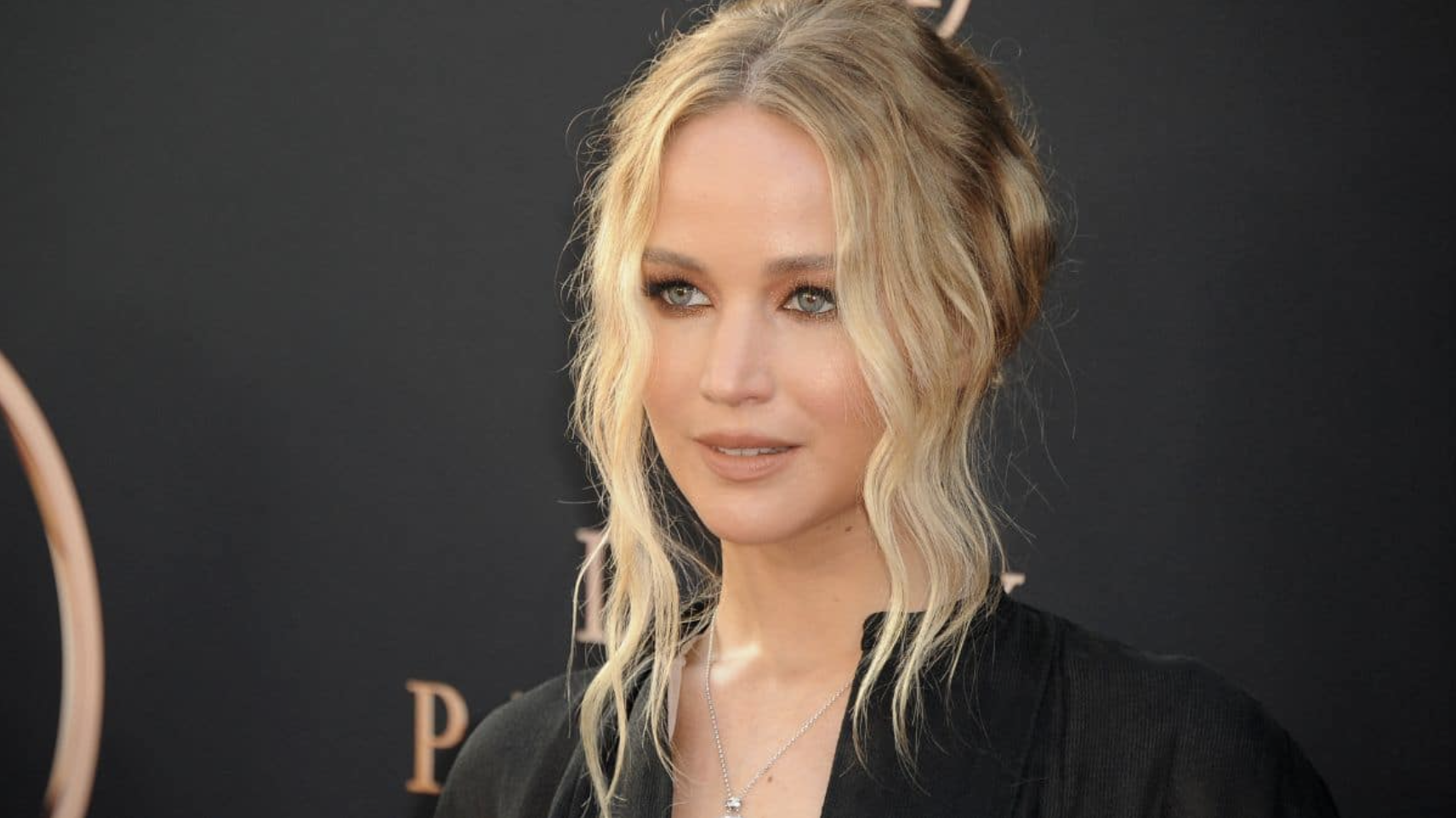
Jennifer Lawrence Admits She Wanted to “Obliterate Every Dog” After Son Was Bitten
When Jennifer Lawrence talked about motherhood at a recent event, she opened up about how one powerful experience changed her views on something many people take for granted: dogs. What started as a routine conversation about balancing family life and a career quickly became a moment that sparked widespread debate.
This article may contain affiliate links. See our disclosure policy for more info.
The actress, known for her roles in major films and her humor on talk shows, described how an encounter involving her young son reshaped how she thinks about pets altogether.
A bite that shifted perspective
Lawrence revealed that after one dog bit her son, her attitude toward the entire species flipped. In an interview following a screening of her new film, she said she began to see dogs as a threat. This emotional reaction came not from abstract fear but from a specific incident that caught her off guard and triggered a powerful protective instinct.
According to coverage of the event, Lawrence said the bite made her feel like she wanted to “obliterate every dog ever,” expressing the rawness of her reaction even if the words were exaggerated for effect. That moment quickly became a headline because of how starkly it contrasted with her previously playful public image and affection for animals.
From beloved pet to unintended departure
Before her shift in thinking, Lawrence had a dog of her own, Princess Pippi Longstocking, whom she adopted years earlier. After becoming a mother and experiencing the bite incident, she chose to rehome Pippi with her parents rather than keep the dog in her own household. That choice has faced intense scrutiny online.
Some critics blasted her for giving up her dog, seeing it as an overreaction or an abandonment of responsibility. Others pushed back, saying parental instinct to protect a child makes her feelings understandable. The divide highlights how differently people view pet ownership and risk.
Backlash and online reaction
The reaction on social media was swift and heated. Many dog lovers took Lawrence’s comments personally, saying her language went too far for a public figure. Some commenters focused on her dramatic phrasing about harming dogs, even though it was framed as hyperbole. Supporters argued that people often speak in extremes when recounting emotional responses after frightening events involving their children.
This kind of polarized reaction shows how celebrity statements about pets can spark broader cultural arguments about animal welfare and personal boundaries. What for one person is a protective instinct reads for another as an unnecessary attack on beloved animals.
A new pet dynamic
In the wake of the incident, Lawrence said she no longer feels comfortable owning a dog of her own. Instead, she described herself as more of a cat person, with her feline companion providing humor and entertainment in ways that feel safer to her in her current phase of life. This shift reflects how life experiences can change personal preferences dramatically, especially when children are in the picture.
Controversy reveals deeper meaning
Jennifer Lawrence’s story taps into a deeper conversation about parenting, safety, and the emotional toll of protecting a child. When media outlets cover the episode, it’s clear that her reaction is rooted in fear and instinct, not calculated cruelty. Still, the public response reveals how charged animal topics are, especially in online spaces where nuance often gets lost.
Coverage of her comments at a public event provides context for both her personal reaction and the ensuing backlash, illustrating how quickly a single sentence can turn into a flashpoint in culture coverage.
More From Happy From Home: