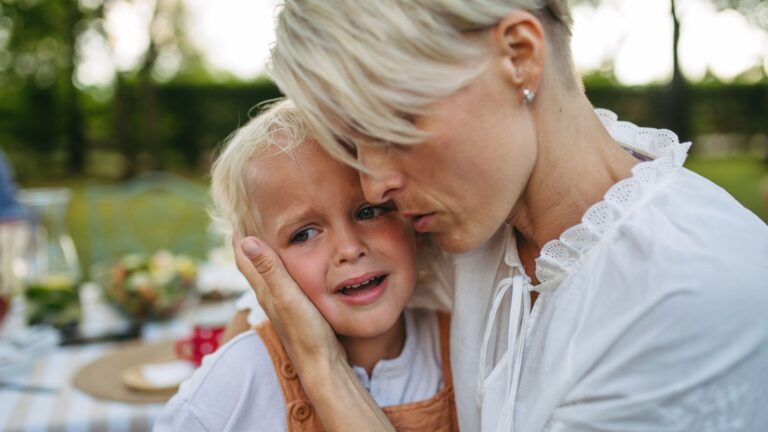

Overwhelmed Mom Says a Simple Meetup Became a Stressful Babysitting Situation and Now She Feels Taken Advantage of
It started as one of those rare, calm afternoons that feel like a reset. The kind where your kids are happily playing, the weather finally cooperates, and you get a moment to breathe. That’s exactly what this mom had before a last-minute call from a friend turned the entire day into something she didn’t sign up for.
A relaxing moment that quickly disappeared
She was at a quiet playground with her two daughters, enjoying a rare stretch of peace while they played in the sandbox. It had been gloomy for weeks, so finally getting a sunny day felt like a gift, and for once, everything felt manageable.
Then her friend called, saying she was nearby and wanted to meet up. It sounded harmless enough, especially since their older kids got along well, so she agreed without thinking too much about it.
Within minutes of arriving, the entire tone shifted. The friend’s child complained about the playground being boring, and suddenly they were all packing up to walk to a bigger park about 15 minutes away. It wasn’t ideal, especially with a toddler in tow and an uphill walk back, but she went along with it anyway, assuming it would still be a normal playdate.
The situation spiraled fast
The second they arrived, it was clear this wasn’t going to be an easy outing. The park was packed with people, the equipment wasn’t age-appropriate for her younger child, and keeping track of both kids in that kind of crowd already felt like a challenge.
Almost immediately, her friend sat down to breastfeed and asked her to keep an eye on the kids. That part didn’t feel unusual at first, especially knowing her friend had struggled with breastfeeding, so she stepped in to help.
But it didn’t stop there. Her toddler kept darting into the crowd, her older daughter was trying to keep up with a bigger, more physically capable child, and her friend’s six-year-old ignored every safety boundary she tried to set.
At one point, that child climbed something she had clearly been told not to use, got stuck, and needed to be physically rescued. Instead of stepping in, her friend stayed seated, focused on the baby.
What was supposed to be a quick favor turned into her managing three kids in a chaotic environment with no backup.
Realizing she was doing it alone
As time passed, it became obvious this wasn’t just a temporary situation. Nearly an hour went by with her friend still sitting, scrolling on her phone, and continuing to nurse while everything around her spiraled.
At one point, her friend walked away entirely with the baby, without clearly saying anything, leaving her behind to handle all three kids, including one who started panicking because her mom had disappeared.
That moment shifted everything. It stopped feeling like helping and started feeling like she had been handed full responsibility without consent.
Parenting stress is already high in busy, unpredictable environments, and trying to manage multiple young kids in a crowded space only increases the risk of overwhelm and safety concerns.
The walk home that confirmed everything
Eventually, her friend returned but made it clear she didn’t plan to re-engage. She suggested staying outside the playground so the baby could sleep, which meant continuing to leave the kids in an environment that already felt unmanageable.
At that point, she decided she had enough and told her they were heading home. Instead of understanding, her friend questioned the decision and made comments that felt dismissive, even pointing out how exhausted she looked.
The walk back didn’t improve anything. Her toddler had a full meltdown, and instead of walking alongside her, her friend stayed far ahead to avoid waking the baby, leaving her to handle everything alone again while also managing the emotional fallout of the entire situation.
That kind of imbalance in support is often what turns normal parenting stress into resentment. When one person feels like they’re consistently carrying more responsibility, it can lead to frustration and burnout, especially in relationships that are supposed to feel mutual.
More than just a bad day
What stuck with her wasn’t just how chaotic the day was. It was the realization that this wasn’t really a playdate at all.
She didn’t agree to watch someone else’s child for hours in a crowded park. She didn’t agree to manage safety risks alone. And she didn’t agree to be left without support while her own kids were overwhelmed.
If her friend had asked directly for help, she said she would have gladly stepped in. That’s what made it harder to process. It wasn’t about helping, it was about being put in that position without being told.
That difference matters, because it changes the entire dynamic from mutual support to feeling used.
Trying to decide what this means for the friendship
Now she’s left questioning whether she overreacted or if her frustration is valid. The situation didn’t just leave her tired, it left her feeling taken advantage of, which is a much harder thing to shake.
Friendships, especially between parents, rely heavily on balance and communication. When one person consistently takes more than they give, even in subtle ways, it starts to wear down trust.
This wasn’t just about one afternoon. It was about how easily a simple plan turned into something one-sided, and how quickly she realized she was handling everything alone.
Featured on Happy From Home: