
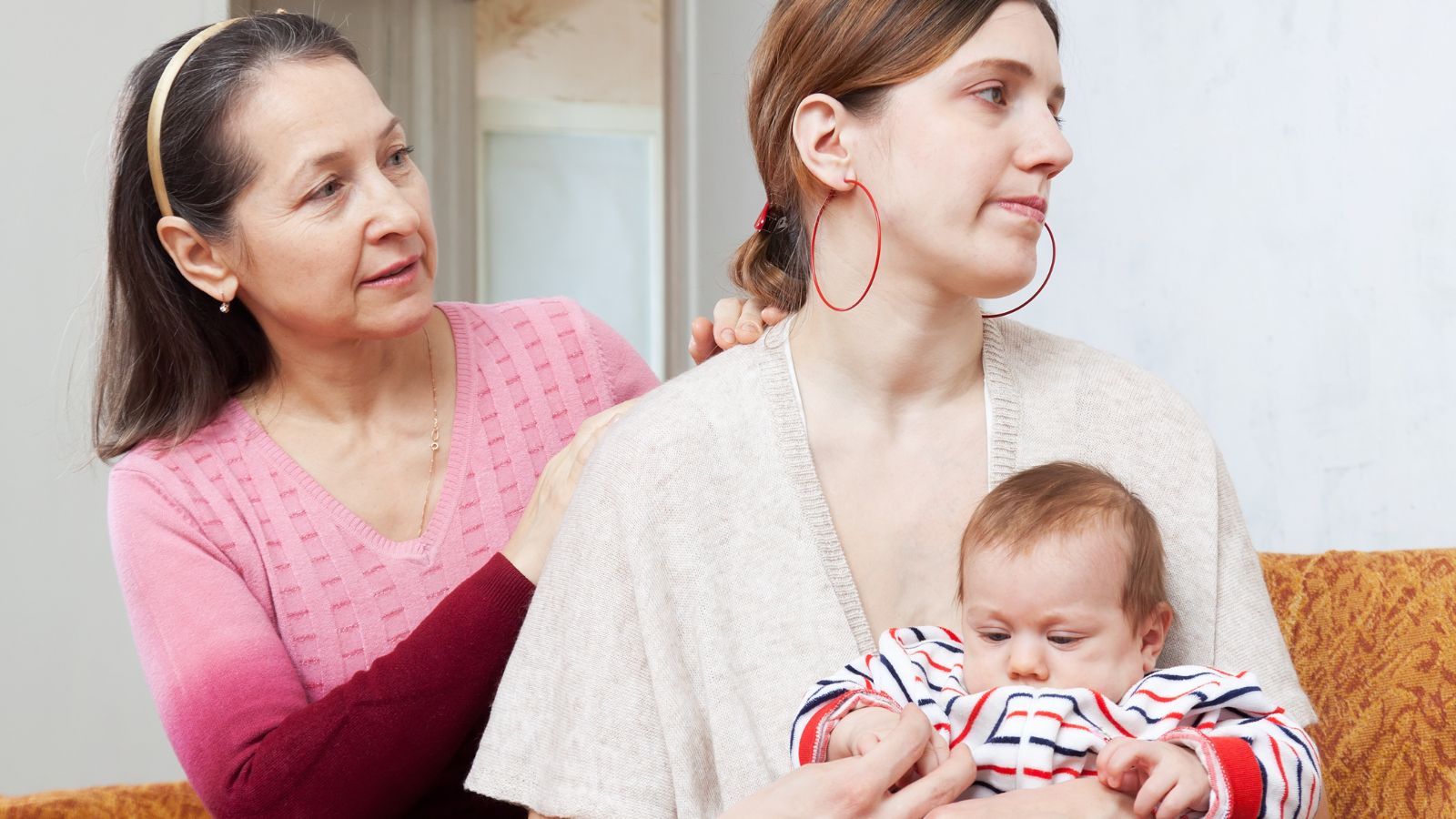
Overwhelmed New Mom Says Her Mother-in-Law’s Postpartum Visit Turned Into a Nightmare That Nearly Broke Her Marriage
You imagine the days after your baby is born as exhausting but supported. New parents often rely heavily on family during that early stretch when sleep disappears, emotions run high, and every routine suddenly changes. Having extra help around the house can make those first weeks easier while a new mother is recovering and adjusting to life with a newborn.
But support only works when the people involved actually help. One new mother says that when her mother-in-law stayed with them after the birth of their daughter, the visit quickly turned into a stressful experience that left her feeling humiliated, emotionally drained, and questioning her marriage.
A disagreement before the baby was even born
Before the baby arrived, the couple had already disagreed about who should stay with them during the postpartum period. The new mother felt strongly that her own mom should be there because she was uncomfortable having anyone else see her while she recovered from childbirth and dealt with the physical changes that followed.
Her husband believed his mother should also be present for the birth of her first grandchild. As an only son, he felt leaving her out would hurt her and make her feel excluded from an important moment in their family’s life.
Eventually, both grandmothers ended up staying in the house. What seemed like a compromise before the baby arrived quickly became a source of tension once everyone was living under the same roof.
The relationship with her mother-in-law was already strained
The new mother explains that her relationship with her mother-in-law had never been particularly easy. She describes her as someone who constantly finds faults in other people and often frames herself as the victim in difficult situations.
Family conversations frequently revolved around stories about how unfair life had been to her, including complaints about her own strict mother-in-law and the troubled marriage of her daughter. According to the new mother, these conversations often carried resentment toward women who appeared happy in their marriages.
She also remembers frequent criticism directed at modern mothers. Her mother-in-law often claimed women today were weak or selfish and frequently mocked women who had C-sections, saying they had chosen the easy way out rather than enduring labor. Those attitudes had already made the relationship uncomfortable before the baby was born.
Postpartum recovery made everything more intense
After the birth of her daughter, the new mother was dealing with a long list of physical and emotional challenges. She was recovering from an episiotomy, coping with constant discomfort, and adjusting to the demands of caring for a newborn while barely sleeping.
Her baby also struggled to latch during breastfeeding, which meant she had to pump milk every few hours instead. That routine required sitting with a breast pump multiple times a day while trying to recover physically and keep up with the baby’s feeding schedule.
Sleep deprivation quickly made everything harder. She says she went nearly ten days without proper rest, leaving her emotionally raw while dealing with the physical recovery that follows childbirth.
Medical research shows that postpartum recovery can be intense both physically and emotionally. According to the National Institutes of Health, hormonal changes, healing from delivery, and disrupted sleep can significantly increase emotional stress during the first weeks after childbirth.
A cruel comment was the breaking point
One day, while she was using her breast pump, her mother-in-law happened to see the machine working for the first time. Instead of responding with curiosity or empathy, she laughed and called the new mother a cow.
The comment landed at the worst possible moment. The new mother says she was already struggling emotionally with the changes to her body and felt uncomfortable with the pumping process itself. Sitting attached to bottles and tubes every few hours made her feel vulnerable and exposed.
Hearing someone mock her while she was already overwhelmed felt devastating. She says the comment stayed with her long after it was said and eventually pushed her to break down in front of her husband and explain how deeply it had hurt her.
Resentment toward her husband started growing
Although her husband was angry about what his mother had said, he did not immediately ask her to leave the house. Instead, he tried to calm the situation privately and comfort his wife with small gestures while the visit continued.
For the new mother, that response felt like a betrayal. While she was recovering from childbirth and coping with exhaustion, her husband was able to return to work and resume parts of his normal routine.
The contrast made the situation feel even more unfair in her mind. She began to feel that during the most vulnerable moment of her life, her husband had prioritized protecting his mother’s feelings rather than protecting her.
Things improved only after the visit ended
Her mother-in-law eventually left the house forty-five days after the baby was born. The new mother says the day she left felt like an enormous relief because the tension that had filled the house finally lifted.
Even after the visit ended, the emotional impact lingered. She found herself replaying the comments and the experience repeatedly, which made it difficult to move forward and rebuild a sense of normalcy.
Eventually, she decided to start therapy to work through the anger and frustration that had built up during that time. Therapy helped her process the experience and understand why the situation had affected her so deeply.
According to the American Psychological Association, therapy can help people work through emotional stress during major life transitions such as childbirth and changing family dynamics.
Rebuilding the marriage after a difficult period
Through therapy and honest conversations, the couple eventually started repairing the damage that had been done. Her husband acknowledged that he should have prioritized his wife’s well-being during the postpartum period and apologized for not stepping in sooner.
He also began setting clearer boundaries with his mother so similar situations would not happen again in the future. Those changes helped stabilize the relationship and slowly rebuild trust between them.
Looking back, the new mother says the experience permanently changed how she sees her mother-in-law. She believes the way someone treats you during your most vulnerable moments reveals their character far more clearly than anything they say afterward.
Featured on Happy From Home: