
She’s Had Her License Less Than Two Years and Still Gets Anxious Driving Her Teenage Niece Around, and Her Friend Expected Her to Drive an Infant an Hour on Unfamiliar Highways and Called Her Selfish When She Said No
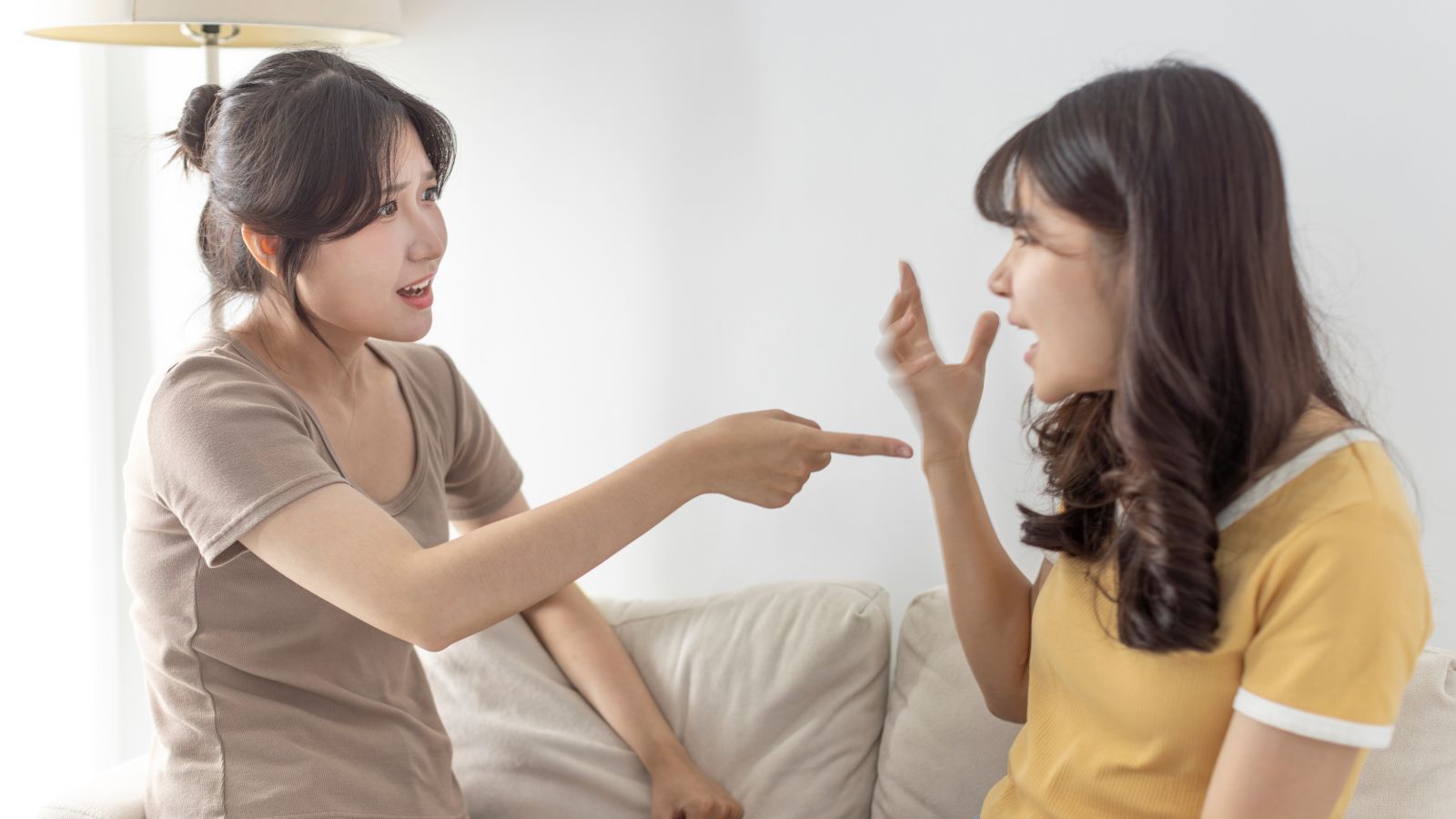
She and her close friend, both 22, had made plans to visit a new cafe about an hour away, with the original arrangement being that they’d meet at her friend’s house and drive together with the friend’s 3 month old baby. Once she arrived, though, her friend told her that she’d actually be the one driving, a shift from what had been planned. She froze for a moment considering it before telling her friend directly that she wasn’t comfortable taking on that responsibility.
Her hesitation wasn’t arbitrary. She’d only held her license for under two years, having gotten it later than most people typically do, and she didn’t even feel fully at ease driving with her own 13 year old niece in the car, something she still managed occasionally but always with real anxiety throughout the drive. An hour long trip on highways to a town she’d never driven to before, with a 3 month old infant in the car rather than an older child, represented a significantly higher stakes version of exactly the kind of driving that already made her anxious.
The Specific Risk Calculation Made Sense Here
Her reasoning centered on a very real and legitimate concern, that if something went wrong during that drive, an accident, a mistake, anything at all, an infant’s injuries or worse would fall directly on her given that she’d be the one behind the wheel. That’s not an unreasonable thing to weigh seriously, especially for someone who already manages anxiety and is actively in therapy, and especially given her own acknowledged discomfort with a considerably less demanding driving scenario involving an older child in more familiar surroundings.
When her friend needed to sit in the back with the baby, she offered a reasonable alternative, that she could be the one to sit in the back with the baby instead while her friend drove, a solution that would have kept the trip moving forward without requiring her to take on driving responsibility she genuinely didn’t feel equipped to handle. Her friend rejected that alternative outright, continuing to insist on the original plan rather than considering the compromise being offered.
Backing Out Was the Right Call Once the Conflict Escalated
As her friend grew increasingly upset over her refusal to drive, she ultimately suggested postponing the outing to another time rather than pushing forward with an arrangement she wasn’t comfortable with. That de-escalation, choosing to step back from an activity entirely rather than proceeding under pressure while genuinely anxious about the driving involved, represented a reasonable response to a situation that had already reached an impasse, especially given that the alternative would have meant driving unfamiliar highways for an hour with an infant’s safety resting entirely on her comfort level with something she’d already identified as beyond her current confidence.
The Accusation of Selfishness Misreads What Actually Happened
Being called selfish and not a team player, along with being accused of acting like a child, mischaracterizes a situation where she’d actually offered a workable alternative, being the one to sit with the baby, specifically to help the outing still happen despite her own driving limitations. That’s not the behavior of someone refusing to cooperate or help, it’s someone trying to find a solution that accounted for her genuine limitations while still supporting her friend’s desire to get out of the house.
The refusal to drive itself also wasn’t rooted in inconvenience or unwillingness, it was rooted in a legitimate safety concern about her own driving experience level combined with the specific demands of that particular trip, unfamiliar highways, an hour long drive, and an infant’s safety directly in her hands. That’s a meaningfully different category of concern than simply not wanting to be inconvenienced.
The Comparison to Her Friend’s Own Solo Driving Doesn’t Change the Calculation
The detail that her friend regularly drives with the baby alone in the backseat during other outings doesn’t really undermine her own concern about being the one behind the wheel in this specific situation. Her friend’s comfort level with her own driving, presumably built through regular practice and familiarity with her own vehicle and routes, doesn’t translate into an obligation for her to take on that same responsibility with considerably less driving experience and comfort of her own, particularly for an unfamiliar highway route she’d never driven before.
Her Boyfriend’s Support Doesn’t Need to Be Dismissed as Simple Bias
While it’s fair to acknowledge that a partner’s perspective naturally comes with some bias toward supporting her, that doesn’t mean his assessment here was wrong. The reasoning behind her decision, genuine anxiety, limited driving experience, an unfamiliar high stakes drive, and a reasonable alternative offered and rejected, holds up as legitimate regardless of who’s evaluating it. His agreement that she held a reasonable boundary reflects an accurate read of the situation, not simply partiality clouding an otherwise questionable judgment call.
Where This Leaves the Friendship
Given everything she’d already done to support her friend through a genuinely difficult period as a young single parent, declining one specific request rooted in a legitimate safety concern, while offering a reasonable alternative that was turned down, doesn’t reflect poorly on her as a friend. Her friend’s stress and difficult circumstances are real and worth empathizing with, but that context doesn’t make it fair to characterize a safety based boundary around driving an infant as selfishness or immaturity, especially when she tried to find a workable solution before ultimately deciding to postpone rather than push forward with something she wasn’t genuinely comfortable doing.
Featured on Happy From Home:
- Couple Paid $4,000 to Confirm Their Neighbor’s Fence Was 20 Feet Over the Line and Chose to Be Kind About It and Now Two Years of Inaction May Have Put Their Ownership at Risk
- Heartbroken Mom Says Her Kids Prefer Their Dad’s New Girlfriend After He Cheated and She’s Wondering if Walking Away Would Hurt Them Less