10 Foods You Should Stop Buying for Your Family
Grocery shopping can get expensive fast, especially when you’re trying to keep everyone happy. It’s easy to grab familiar items without thinking twice, even when they don’t offer much value. Once you start paying attention, a few things stand out right away. Here are ten foods many families stop buying once they want to eat better and spend a little smarter.
This article may contain affiliate links. See our disclosure policy for more info.
Sugary Breakfast Cereals
Bright boxes and fun shapes make these easy to grab, especially with kids in the house. But many cereals are loaded with sugar and don’t keep anyone full for long. You end up dealing with mid-morning hunger and another snack soon after.
Families often switch to simpler options like oatmeal, eggs, or lower-sugar cereals. You still get a quick breakfast, but it actually holds you over. It also cuts down on how much sugar everyone starts the day with.
Pre-Packaged Lunch Kits
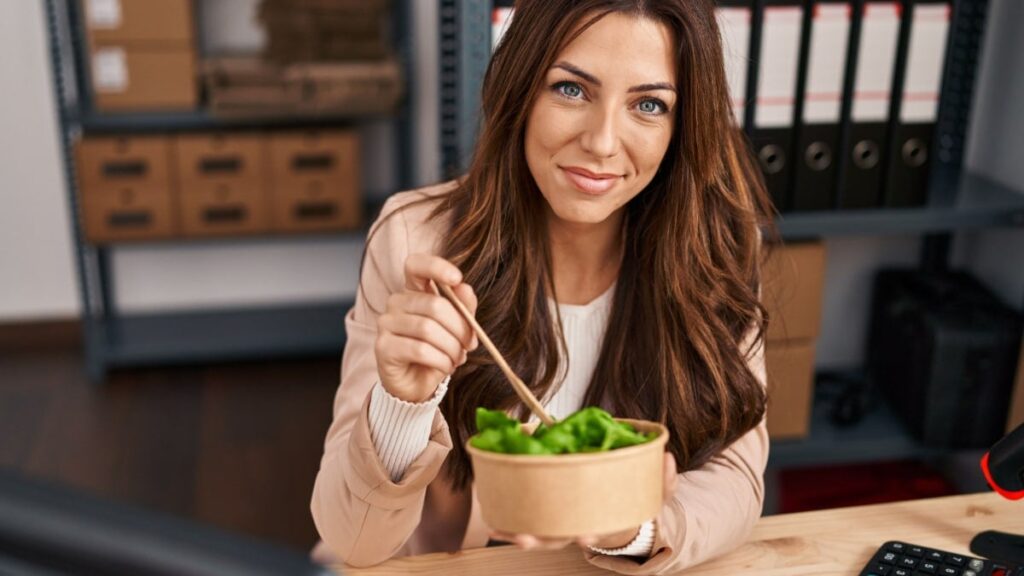
These feel convenient, especially on busy school mornings. Everything is portioned and ready to go, which saves time. But you’re paying extra for that convenience, and the portions are often small.
Many families move to packing their own lunches instead. A sandwich, some fruit, and a snack can be put together quickly and usually costs less. You also have more control over what goes into each meal.
Bottled Smoothies and Juices
It’s easy to assume these are healthy, but many bottled options contain a lot of added sugar. Even the ones labeled as natural can be high in calories without being very filling.
Switching to homemade smoothies or simply eating whole fruit makes a big difference. You get the same flavors without the extra ingredients. It’s also more filling, which helps cut down on extra snacking later.
Frozen Dinners for Regular Meals
Frozen meals can be helpful in a pinch, but relying on them often can add up. They’re usually more expensive per serving than cooking at home and don’t always keep you full.
Families who are focused on saving and eating better tend to cook simple meals more often. It doesn’t have to be complicated. Even basic dishes made at home can be cheaper and more satisfying than most frozen options.
Individually Wrapped Snacks
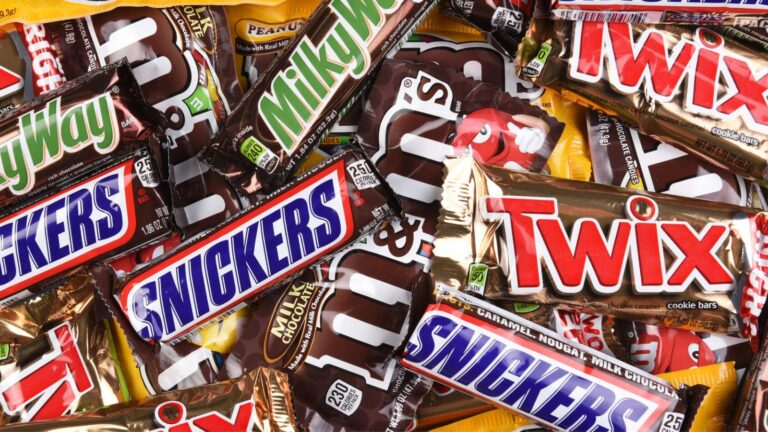
Single-serving snacks are easy to toss into a lunchbox or grab on the go. But you’re paying more for the packaging, and it adds up over time.
Buying larger packages and portioning snacks yourself is a common switch. It takes a few extra minutes, but it saves money and reduces waste. You also have more control over how much everyone is eating.
Soda and Sugary Drinks
These drinks can become a regular part of meals without much thought. But they add a lot of sugar and cost to your grocery bill without offering much in return.
Many families cut back or stop buying them altogether. Water, flavored water, or homemade drinks become the go-to instead. This change alone can make a noticeable difference in both health and spending.
Pre-Cut Fruits and Vegetables
Pre-cut produce is convenient, but it comes with a higher price. You’re paying extra for something you can do yourself in a few minutes.
Buying whole fruits and vegetables and prepping them at home is a simple way to save. Once you get into the habit, it doesn’t take much time. It also helps you buy only what you need instead of overpaying for smaller portions.
Name-Brand Pantry Staples
It’s easy to stick with brands you recognize, especially for pantry items. But the price difference adds up when every item in your cart is a name brand.
Many store-brand options are just as good for things like pasta, rice, and canned goods. Families who are trying to save often start switching these out first. It’s one of the easiest ways to lower your grocery bill without changing what you eat.
Specialty Snack Foods
Chips, flavored crackers, and other specialty snacks can take up a big part of your grocery budget. They’re easy to grab, but they don’t always add much value.
Cutting back on these and replacing them with simpler options can help. Things like popcorn, fruit, or basic crackers often cost less and still satisfy the need for a snack. It’s a small shift that adds up over time.
Bakery Items You Could Make at Home
Store-bought baked goods are tempting. They’re fresh, ready to eat, and save time. But they can be expensive, especially if you’re buying them often.
Many families start making a few basics at home instead. Simple muffins, pancakes, or cookies don’t take much effort and cost less overall. You don’t have to bake everything from scratch. Just replacing a few items can make a difference.
Small Changes That Add Up at the Store
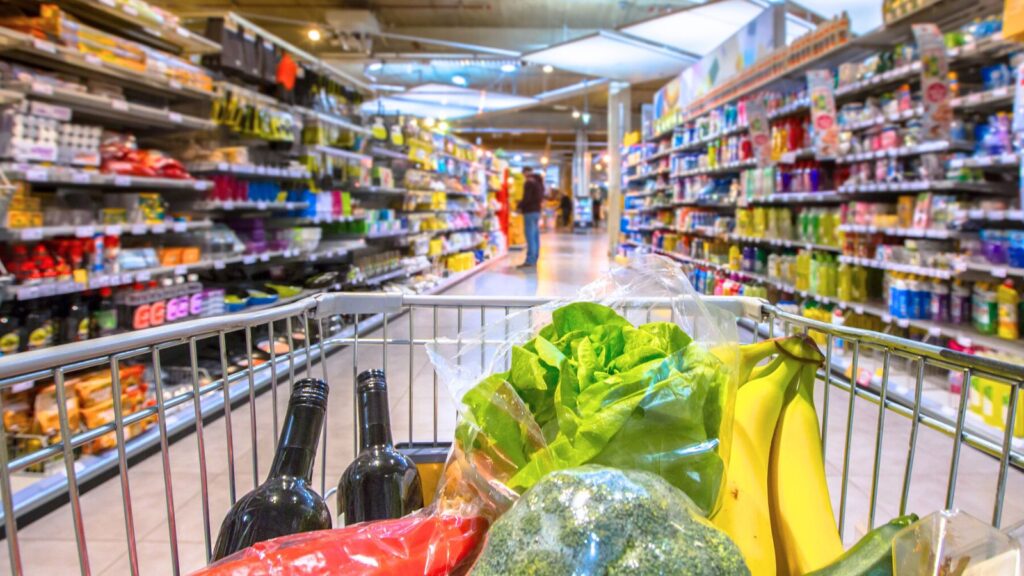
You don’t have to overhaul your entire grocery list to see results. A few small changes can lower your bill and improve what your family is eating at the same time. It’s about being more intentional with what goes into your cart.
Start with one or two swaps and build from there. Over time, those choices become habits that make grocery shopping feel a lot more manageable.
Featured on Happy From Home: