10 Motivating Tricks for Getting Kids to Help Clean
Getting kids to help clean can feel like a constant back and forth. You ask, they hesitate, and before long it turns into a drawn-out conversation that leaves you more tired than the mess itself. Most of the time, it isn’t about whether they can help. It’s about how the task feels to them in the moment. When you shift the way you approach it, you’ll often get more cooperation without as much resistance.
This article may contain affiliate links. See our disclosure policy for more info.
Turning cleaning into a short, focused challenge
Asking kids to clean an entire space can feel like too much all at once. When they don’t know where to begin, it’s easy for them to stall or lose interest quickly.
Breaking it into a short challenge, like picking up toys for ten minutes, gives them a clear starting point and an end in sight. That structure makes it easier for them to stay engaged and actually finish.
Letting them choose where to start
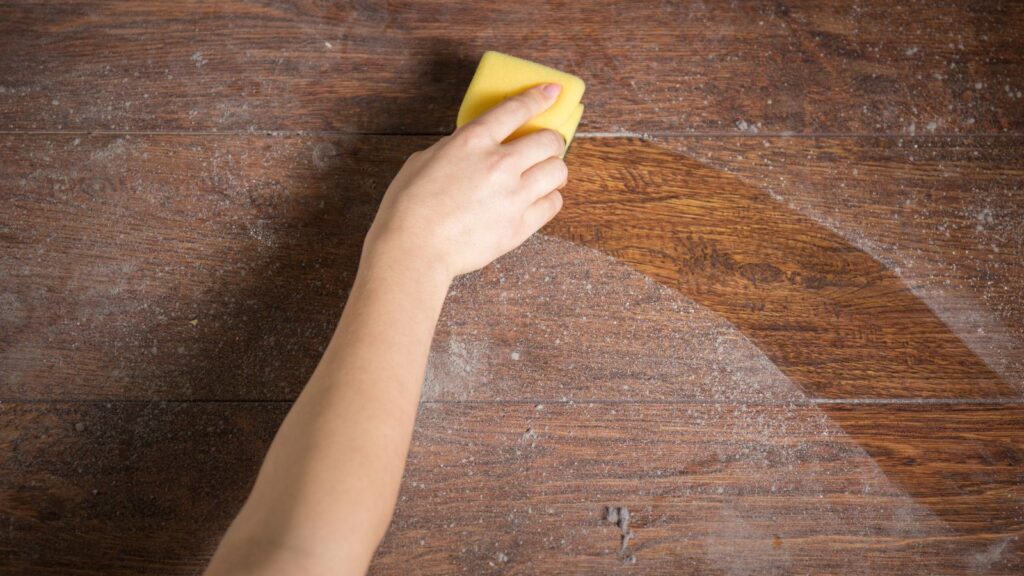
Being told exactly what to do from the beginning can make kids feel like they don’t have any control. That can lead to pushback, even if the task itself is simple.
Letting them pick where to start gives them a sense of ownership. Once they get moving, it’s easier for them to keep going.
Making it part of a routine instead of a one-time task
When cleaning only happens after a mess builds up, it can feel like a big interruption. Kids are more likely to resist when it shows up out of nowhere.
Building small tasks into a regular routine helps it feel more normal. Over time, it becomes something they expect instead of something they push back on.
Keeping expectations clear and simple
If instructions are too broad, kids may not fully understand what you’re asking. That can lead to incomplete tasks or frustration on both sides.
Giving clear, simple directions helps them know exactly what to do. It also makes it easier for you to see when the task is done.
Working alongside them when possible
Standing back and giving directions can sometimes make kids feel like they’re being singled out. That can make them less willing to help.
Jumping in and working alongside them changes the dynamic. It turns it into something you’re doing together instead of something they’re being told to do.
Not expecting perfection
If kids feel like their effort won’t be “good enough,” they may lose motivation to try. High expectations can sometimes create more resistance than progress.
Focusing on effort instead of perfection helps them stay engaged. It also builds confidence over time.
Using small rewards or incentives
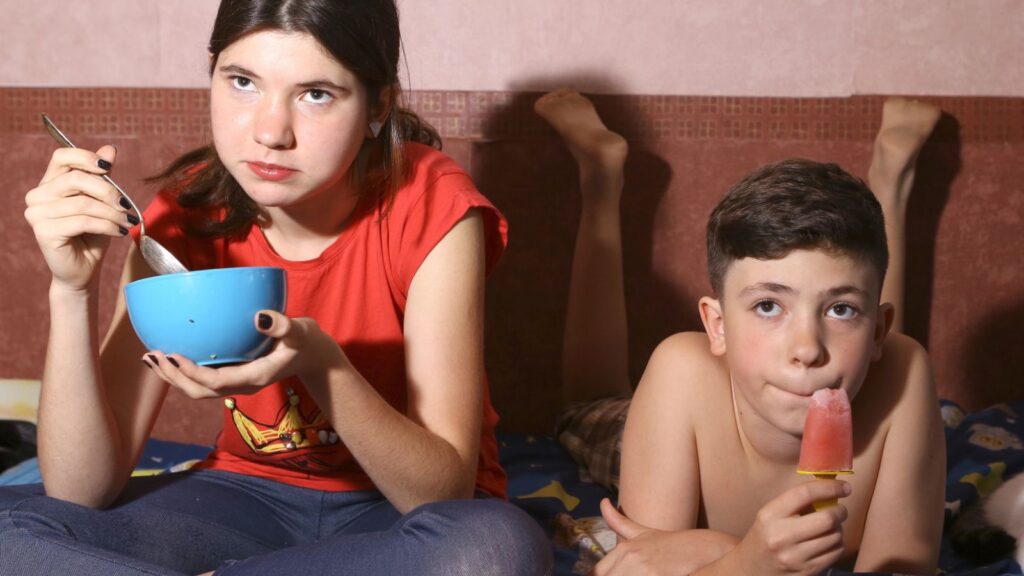
While you don’t want to rely on rewards for everything, a small incentive can help build momentum. It gives kids something to look forward to after they finish.
Over time, the routine itself can become the motivator. The reward just helps get things started.
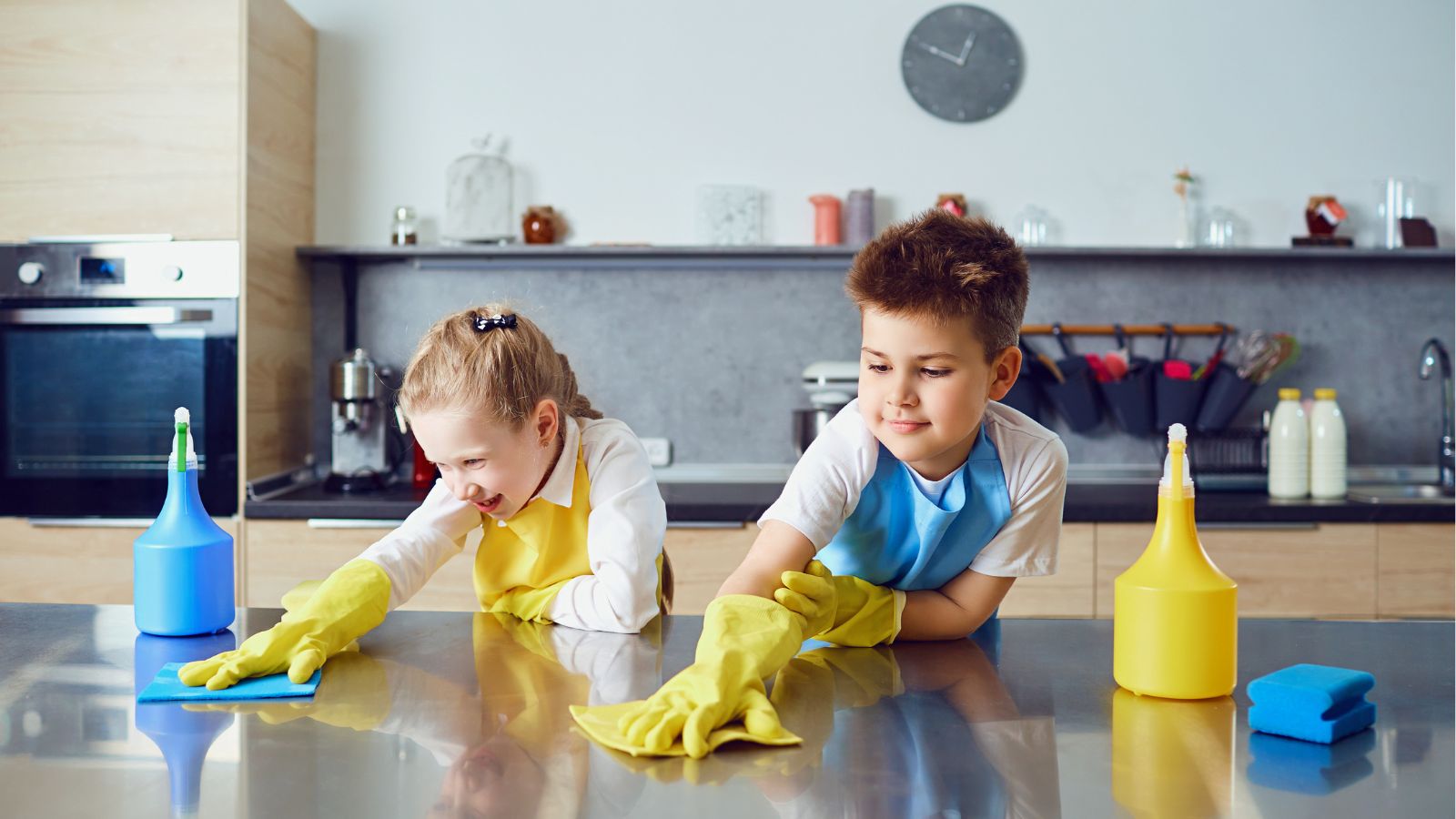
Making it feel like a team effort
When cleaning feels like something one person is responsible for, it can create resistance. Kids may feel like they’re being asked to do more than their share.
Framing it as something everyone contributes to helps shift that mindset. It makes the task feel more balanced and less like a chore being assigned.
Keeping tasks age-appropriate
If a task feels too difficult, kids are more likely to avoid it. They may not know how to complete it or feel confident trying.
Matching tasks to their ability helps them succeed. It also makes them more willing to help again next time.
Recognizing their effort consistently
When effort goes unnoticed, it can feel like it doesn’t matter. That can reduce motivation over time.
Acknowledging what they’ve done helps reinforce the behavior. It makes them feel more invested in helping again.
When cooperation starts to feel easier
When you look at these approaches together, it becomes clear that getting kids to help clean isn’t about forcing it. It’s about creating an environment where they feel more willing to participate. Small changes in how you ask and involve them can make a noticeable difference in how they respond.
Featured on Happy From Home: