

11 Cleaning Schedules Families Fight About All the Time
If you’ve ever tried to set up a cleaning routine in your home, you’ve probably realized pretty quickly that not everyone agrees on what “clean enough” looks like. What feels reasonable to one person can feel overwhelming or unnecessary to someone else. That’s where the tension usually starts. When expectations don’t line up, even simple routines can turn into ongoing frustration.
This article may contain affiliate links. See our disclosure policy for more info.
The “clean everything on one day” approach
Some families try to knock everything out in one day so it’s done for the week. On paper, that sounds efficient and satisfying.
In reality, it can feel exhausting and hard to keep up with, especially for busy households. When the day rolls around, it often gets pushed off or only partially done, which leads to frustration.
The “a little every day” system
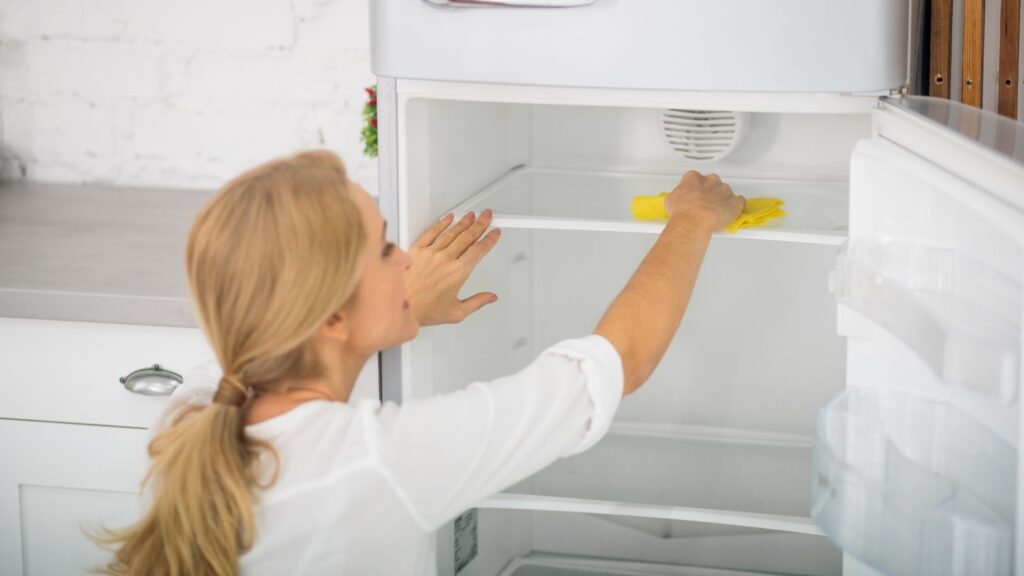
Breaking tasks into smaller daily chunks can feel more manageable for some people. It spreads out the work and keeps things from piling up.
For others, though, it can feel like cleaning never actually ends. That constant feeling of having something to do can create tension if everyone isn’t on the same page.
The “only clean when it looks messy” method
Some people prefer to clean based on what they see instead of following a set schedule. If it looks fine, they leave it alone.
This can clash with someone who prefers structure. Waiting until things look messy can feel too late, which leads to disagreements about timing.
The “deep clean once in a while” routine
Focusing on occasional deep cleaning instead of regular upkeep can seem like a good balance. It saves time day to day and tackles everything at once.
The problem is that things can build up quickly in between. When it’s time to clean, it often feels like too much, which can lead to avoidance or stress.
The “everyone cleans their own space” rule
Giving each person responsibility for their own area can feel fair and straightforward. It creates clear expectations without micromanaging.
In practice, though, standards can vary a lot. One person’s idea of clean may not match someone else’s, which can lead to frustration in shared spaces.
The “parent does most of it” habit
In many homes, one person ends up taking on the majority of the cleaning just to keep things running. It can feel easier in the moment than asking for help.
Over time, this can create resentment. When responsibilities aren’t shared, it often becomes a point of tension.
The “weekend reset” expectation
Some families rely on the weekend to catch up on everything that didn’t get done during the week. It can feel like a fresh start.
The downside is that weekends start to feel like work instead of downtime. Not everyone agrees on how much time should be spent cleaning versus relaxing.
The “clean before guests come over” mindset

For some, cleaning feels more urgent when other people are going to see the space. It creates a clear reason to get things done.
For others, this approach feels inconsistent. Waiting for a reason to clean can lead to buildup that causes stress later.
The “kids help when asked” approach
Some families expect kids to help, but only when they’re specifically told to. It feels flexible and easy to manage in the moment.
Over time, this can turn into constant reminders. Without a routine, it can feel like a struggle to get consistent help.
The “strict chore chart” system
A chore chart can create structure and clear expectations. Everyone knows what they’re responsible for and when.
If it’s too rigid, though, it can feel overwhelming or hard to maintain. When life gets busy, it’s easy for the system to fall apart.
The “clean as you go” mindset
Cleaning as you go can keep things from building up and make the home feel more manageable day to day. It sounds simple and practical.
The challenge is that not everyone naturally follows it. When only one person sticks to it, it can create tension with others who don’t see it the same way.
Why cleaning routines turn into disagreements
When you look at these different approaches, it becomes clear that the issue usually isn’t cleaning itself. It’s the mismatch in expectations and habits. Finding a system that works for everyone often means blending a few approaches instead of sticking to just one.
Featured on Happy From Home: