12 Family Traditions Kids Drop the Second They Move Out
Family traditions can feel like a big part of growing up, especially when they’re repeated year after year. At the time, they seem normal, even expected, and sometimes they’re just part of the routine. Once kids move out, though, things shift. What once felt automatic doesn’t always carry over into their own lives, and some traditions quietly fade away.
This article may contain affiliate links. See our disclosure policy for more info.
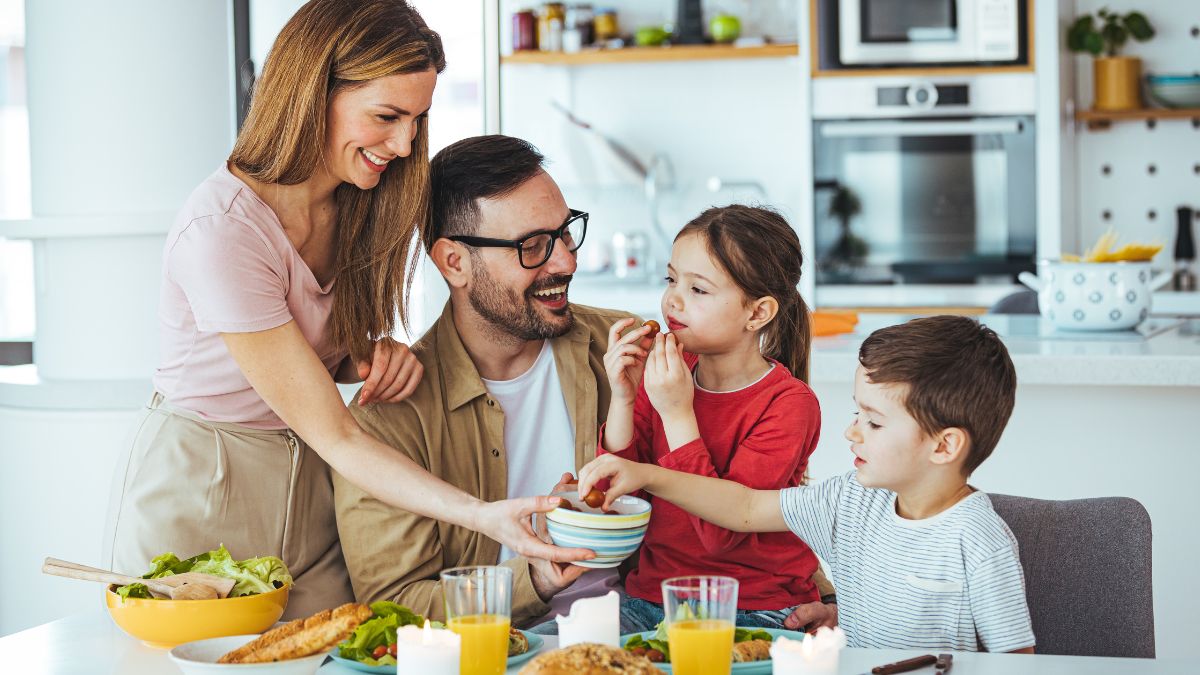
Sitting down for dinner at the exact same time every night
Structured dinner times can work well when everyone is living under the same roof. It creates consistency and keeps things running smoothly.
Once schedules change and responsibilities shift, that level of structure becomes harder to maintain. Meals tend to happen more flexibly based on what the day looks like.
Attending every extended family gathering
Family events can feel like something you simply show up for when you live at home. It’s part of the expectation, even if it’s not always your choice.
After moving out, priorities start to shift. Travel, work, and personal commitments make it harder to attend everything, so some gatherings naturally fall off.
Keeping up with strict holiday routines
Holidays often follow a very specific pattern when you’re growing up. The same meals, the same timing, and the same traditions happen every year.
Once you’re on your own, it’s common to adjust those traditions. People start creating their own version that fits their current life.
Participating in weekly family game nights
Game nights can be a regular part of family life, especially when everyone is in the same place. It’s an easy way to spend time together.
After moving out, coordinating schedules becomes more difficult. What used to happen weekly often turns into something occasional instead.
Following household rules that no longer apply
Rules around chores, schedules, or routines make sense within a shared household. They help keep things organized and predictable.
Once you’re living independently, those rules don’t carry over in the same way. People tend to create systems that fit their own habits.
Watching the same shows or activities together
Shared routines like watching a specific show or participating in certain activities can feel like part of family life. It’s something everyone expects.
When people move out, those shared moments become less frequent. Preferences and schedules start to vary more.
Helping with large seasonal clean-ups
Big clean-up days or organizing projects often involve the whole family. It’s a shared responsibility that happens at certain times of the year.
Living independently changes how those tasks are handled. They become more personal and less of a group effort.
Keeping up with family-specific traditions that feel outdated
Some traditions are passed down without much thought. They continue simply because they always have.
Once people step into their own routines, they start to question what still fits. Traditions that don’t feel relevant tend to fade out.
Spending entire weekends at home with family
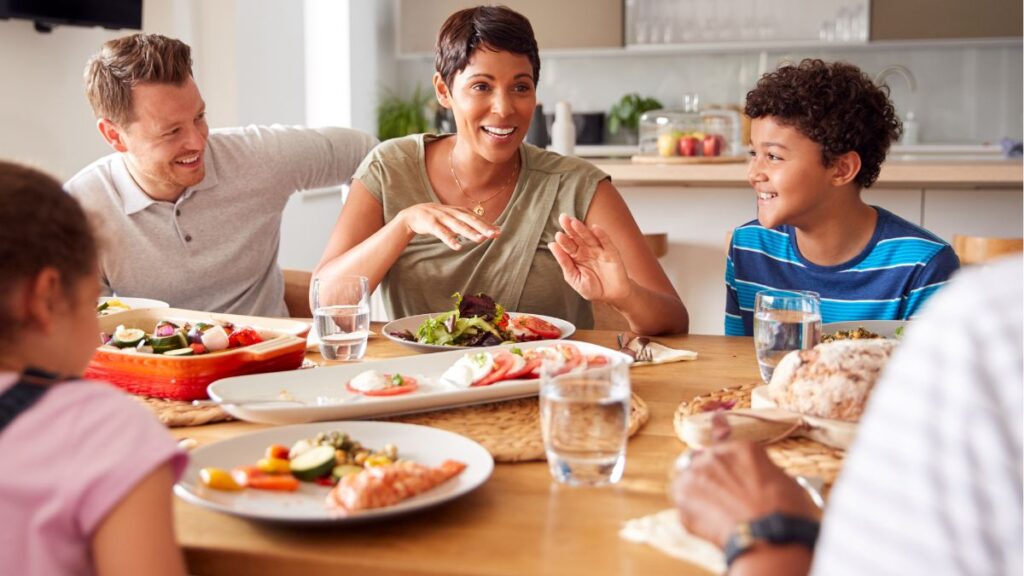
When you’re younger, weekends are often centered around home and family activities. It’s part of the rhythm of daily life.
After moving out, weekends tend to look different. Time is split between responsibilities, social plans, and personal downtime.
Participating in traditions that feel more like obligations
Not every tradition feels meaningful to everyone. Some are followed out of habit or expectation rather than enjoyment.
Once there’s more freedom to choose, people naturally let go of what doesn’t feel important to them.
Sharing responsibilities in the same structured way
In a family home, responsibilities are often divided in a specific way. Everyone knows their role.
When living independently, those roles change. People adjust how they handle tasks based on their own preferences.
Keeping every tradition exactly the same year after year
Consistency is often part of what makes traditions feel familiar. The same routines are repeated without much change.
Over time, people start to adapt traditions to fit their current life. What remains is often a simplified version that still feels meaningful.
When traditions evolve with time
When you look at these patterns together, it becomes clear that traditions don’t always disappear. They tend to change as life changes. What people hold onto are the parts that still feel meaningful, while the rest naturally falls away.
Featured on Happy From Home: