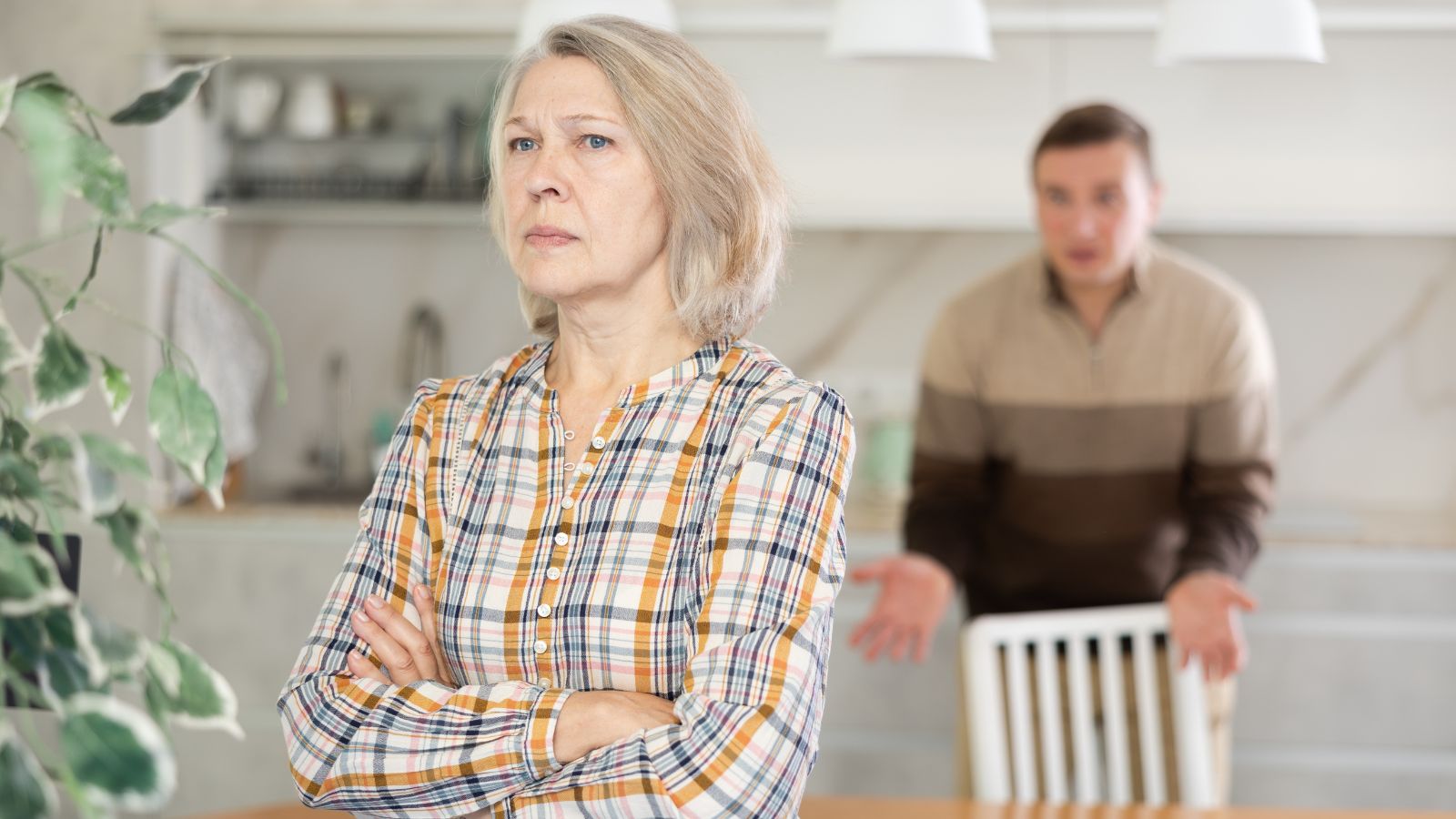
Stressed Mom Says Her Husband Made Major Parenting Choices Without Her and Now She’s Being Cast as the Bad Guy
It sounds small at first, like a difference in parenting style. One parent is a little more spontaneous, the other prefers structure, and you assume you’ll meet somewhere in the middle. But when those choices start affecting your kids in real ways, it stops feeling like a personality difference and starts feeling like a pattern.
This article may contain affiliate links. See our disclosure policy for more info.
That’s where one mom says she’s at right now, feeling like she’s constantly cleaning up the aftermath of decisions she never agreed to in the first place.
When “fun surprises” start creating real problems
She describes her husband as a very involved dad, someone the kids love and enjoy being around, which makes the situation harder to explain. The issue isn’t that he’s absent. It’s that he keeps making major parenting decisions on his own, then presenting them as exciting surprises the whole family is supposed to embrace.
The first time it really hit a breaking point was when he came home with a puppy after what was supposed to be a casual outing. The kids were thrilled at first, but the excitement didn’t last long for their seven-year-old son, who gets overwhelmed easily and struggles when things change suddenly.
Within minutes, the barking and unpredictability triggered anxiety, and the responsibility for managing everything that followed fell on her, including the feeding schedule, crate training, accidents, and the added stress during already difficult school mornings.
A second surprise made things worse
Just as things started settling, another decision was made without her input. This time, her husband told the kids they could share a room because he thought it would be fun, like a sleepover every night.
He had already started moving furniture before even mentioning it to her.
Their daughter loved the idea immediately, but their son had a completely different reaction. The lack of routine, the noise at night, and the brighter lighting made it hard for him to sleep, and by the end of the night, he ended up lying in the hallway with a blanket because he said his room didn’t feel like his anymore.
Structure matters more than it seems
Kids don’t all respond the same way to change, especially when they need time to adjust. Sudden shifts in routine, environment, or expectations can feel overwhelming, even if the intention behind them is positive.
That’s part of what’s making this situation so difficult for her. It’s not just about disagreeing with the decisions, it’s about how those decisions are being made and who is left dealing with the consequences.
Feeling like the “bad parent” in her own home
When she pushed back, the conversation didn’t go the way she hoped. Her husband became defensive and accused her of turning everything into a problem instead of letting the kids have a fun, memorable childhood. From her perspective, that misses the point entirely.
She isn’t trying to take away fun. She’s trying to protect her son’s ability to feel secure and comfortable in his own space. At the same time, she’s the one managing the fallout when things don’t go as planned, which makes the situation feel one-sided.
Now the kids are confused because they were told something would happen, and she’s the one walking it back, which puts her in the role of the parent who ruins the excitement.
When good intentions create tension
This kind of dynamic often comes from a difference in how each parent views their role. One focuses on creating moments that feel special and exciting, while the other focuses on stability and long-term impact.
Neither approach is wrong on its own, but when decisions are made without communication, it creates a situation where one parent is constantly reacting instead of participating.
Over time, that can lead to frustration and resentment, especially when one person feels like they’re carrying more of the responsibility behind the scenes. Research shows that unequal mental and emotional labor in parenting can increase stress and conflict, particularly when one parent feels left out of key decisions. You can see more about that here: How unequal emotional labor affects relationships.
Trying to find a way forward
Right now, she’s stuck between not wanting to disappoint her kids and not wanting to keep going along with decisions she doesn’t agree with. It’s not just about the puppy or the shared room. It’s about being included in choices that affect their family.
The hardest part is that she doesn’t see herself as the “unfun” parent. She sees herself as the one trying to keep things stable, predictable, and manageable for a child who needs that structure. What she’s really asking for is collaboration, not control.
Featured on Happy From Home: