
15 Food Rules Families Fight About Every Holiday
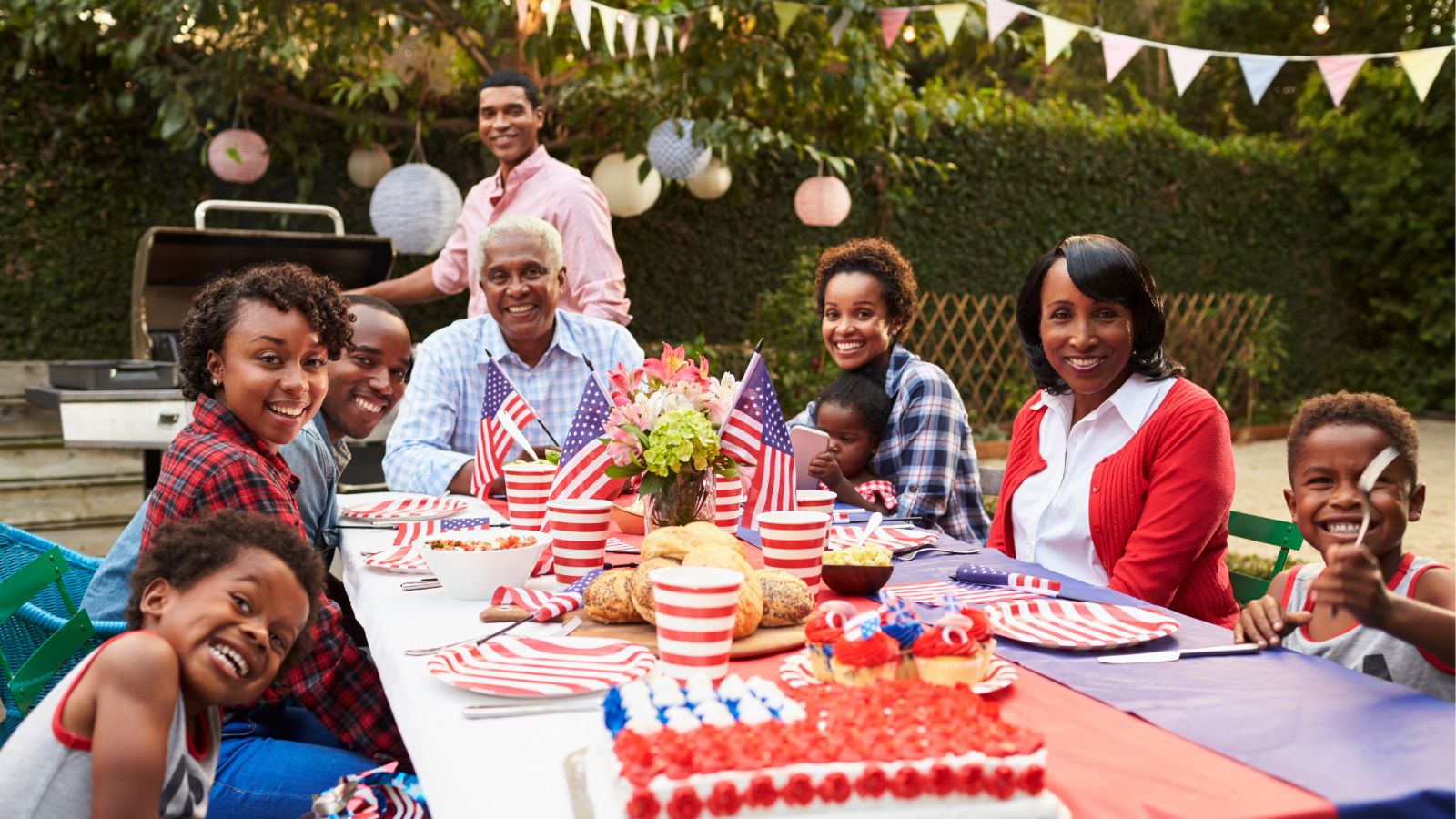
Holiday meals are supposed to bring everyone together, but food is often where the tension shows up first. Everyone has their own expectations, and once those traditions are in place, they can be hard to adjust. What feels important to one person can feel unnecessary to someone else, which is usually where the disagreements start. When you look at it more closely, these are the food rules that tend to cause the most friction.
This article may contain affiliate links. See our disclosure policy for more info.
Everyone has to eat at the same exact time
Coordinating one set time for everyone to sit down can feel like part of the tradition. It’s meant to keep things organized and bring everyone together.
In reality, it can create stress when people are arriving at different times or juggling other plans. What was meant to feel structured can end up feeling rushed.
Certain dishes have to be made no matter what
Some foods stay on the menu year after year, even if no one really eats them anymore. They’re tied to tradition, so removing them feels like a big decision.
This can lead to extra work for dishes that don’t get touched. It often becomes more about keeping the tradition than enjoying the meal.
Only one person is allowed to cook certain recipes
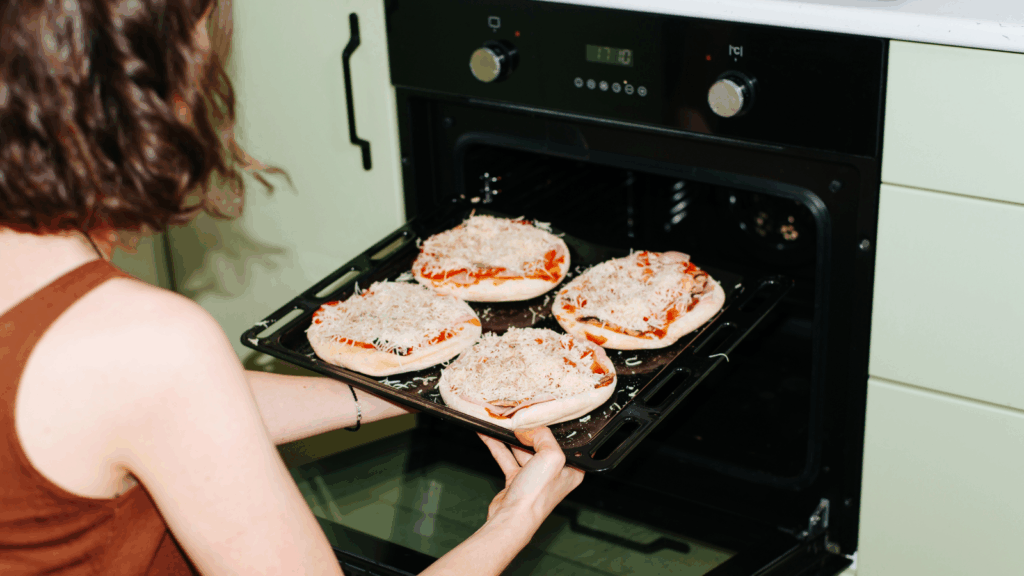
In many families, specific dishes are tied to one person. It becomes their responsibility every year without much discussion.
This can create pressure and limit flexibility. It also makes it harder to share the workload or try something new.
Everything has to be homemade
There’s often an expectation that everything should be made from scratch. It’s seen as part of what makes the meal special.
For the person doing the cooking, though, it can be overwhelming. Allowing a mix of homemade and store-bought options can ease the pressure.
No one can start eating until everyone is ready
Waiting until every dish is finished and every person is seated can feel like the “right” way to do things. It keeps the meal formal and coordinated.
At the same time, it can lead to cold food and frustrated guests. It’s one of those rules that sounds good but doesn’t always work well in practice.
Everyone has to try everything
Encouraging people to try each dish can come from a good place. It’s meant to show appreciation for the effort that went into the meal.
For some, it can feel like pressure instead of encouragement. Not everyone enjoys every dish, and that’s where the tension can build.
Leftovers have to be divided a certain way
Deciding who takes what home can turn into an unexpected source of conflict. There are often unspoken rules about how it should be handled.
When expectations don’t match, it can feel unfair. What should be simple can turn into something more complicated than expected.
The meal has to follow a strict order
Some families expect the meal to happen in a specific sequence, from appetizers to dessert. It’s part of how things have always been done.
When things don’t go exactly as planned, it can create stress. Not everyone feels the need for that level of structure.
Portions are expected to look a certain way
There can be expectations around how much people should take or eat. It’s often based on tradition or past habits.
For some, this can feel uncomfortable or unnecessary. It turns a personal choice into something that feels observed.
Everyone has to help, but no one agrees on how
There’s often an expectation that everyone pitches in with the meal. The challenge is that not everyone agrees on what that should look like.
Without clear communication, it can feel uneven. Some people feel like they’re doing more while others feel unsure of where to step in.
Recipes can’t be changed
Trying to update or adjust a traditional recipe can be met with resistance. It’s seen as changing something that’s always been done a certain way.
This can limit creativity and make cooking feel more rigid than it needs to be. It can also create tension when someone wants to try something different.
The host decides everything
In some families, the host controls the entire menu. It’s their event, so they make the final call.
While that can simplify decisions, it can also leave others feeling left out. It becomes harder to balance everyone’s preferences.
Dessert has to happen a certain way
Dessert traditions can be just as structured as the main meal. There’s often a set expectation for timing and what’s served.
When people want something different or feel full, it can create tension. It’s another example of routine taking priority over preference.
Food has to look “just right”
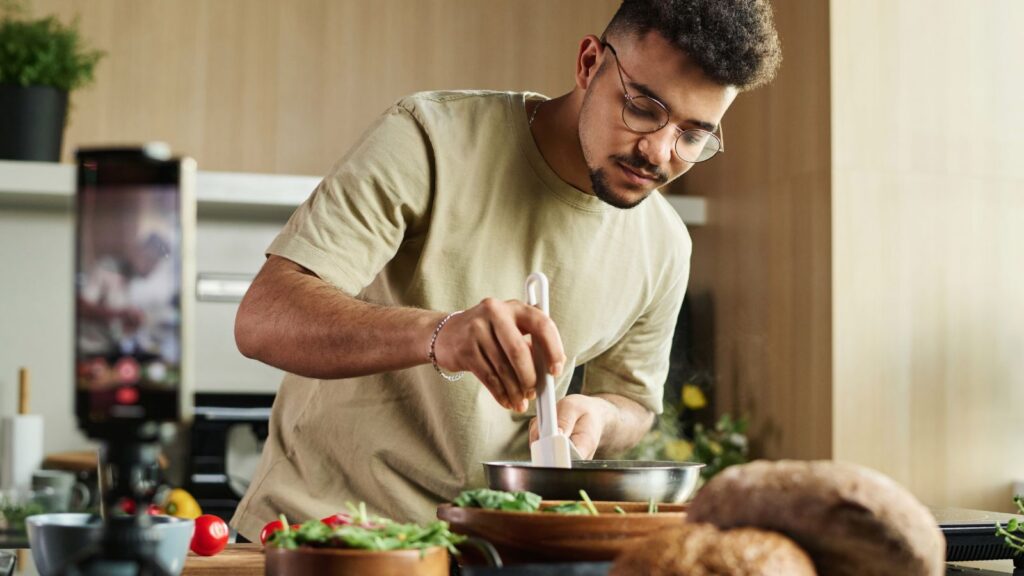
Presentation can become a bigger focus than the experience itself. There’s pressure for everything to look a certain way.
This can add unnecessary stress to the process. It shifts attention away from enjoying the time together.
No one wants to be the one to suggest a change
Even when people don’t enjoy certain rules, it can feel uncomfortable to bring it up. Traditions can feel set in place.
As a result, things stay the same even when they don’t work well anymore. The hesitation to speak up keeps the cycle going.
When traditions matter more than the experience
When you look at these patterns together, it becomes clear that food rules aren’t really about the food. They’re about expectations, habits, and how things have always been done. Taking a step back can help families decide what actually adds to the experience and what might be worth letting go.