
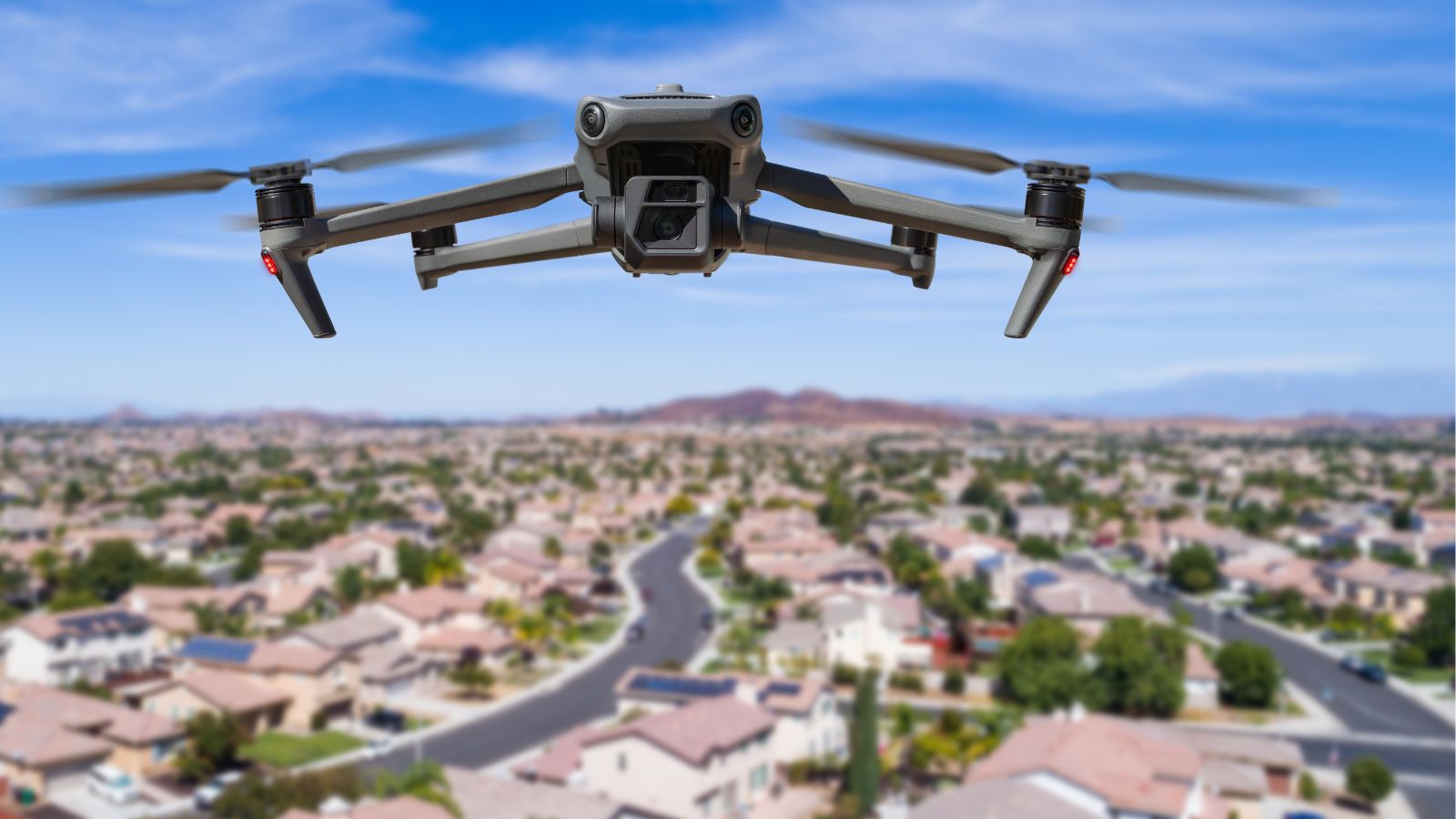
Her Family Was Gathered Around a Backyard Campfire in Rural Ohio When Her Husband Spotted a Drone Hovering Near Their Children’s Playset, and Now She Doesn’t Feel Safe Letting Her Three Kids Play Outside Without Knowing Who’s Watching
That’s the situation one rural Ohio mom is dealing with after her husband spotted a small drone near their children’s play area while the family was gathered outside. The neighborhood is spread out enough that the source is unclear, but close enough that a neighbor is the most likely explanation. She’s not just bothered by the one incident. She’s thinking about what it means for everyday moments she previously took for granted, gardening in the yard, watching her kids play, existing in her own outdoor space without wondering if someone has a camera overhead.
This article may contain affiliate links. See our disclosure policy for more info.
What Ohio Law Actually Says
Ohio has specific drone regulations that work alongside federal FAA rules, and together they give her more legal footing than she might realize. Drones flown over private property in a way that constitutes surveillance or invasion of privacy can run into both state privacy laws and local ordinances depending on the municipality. Ohio’s existing privacy statutes cover surveillance conducted without consent, and a drone camera capturing images of people on private residential property without permission sits in uncomfortable legal territory regardless of who’s flying it.
The FAA also requires that recreational drone operators fly within line of sight, avoid flying over people, and respect the privacy of others. A drone hovering near a children’s playset during a backyard gathering isn’t a clear-cut FAA violation on its own, but it’s the kind of behavior that builds a pattern worth documenting if it continues.
Building the Paper Trail Now
The most useful thing she can do before it happens again is establish a record that the first incident occurred. Writing down the date, approximate time, what the drone looked like, where it appeared to come from, how long it stayed, and who witnessed it creates a baseline that matters if she needs to involve law enforcement or pursue any kind of formal complaint later. Photos or video of the drone while it’s happening are even better, and having her phone ready to capture it on future occasions is worth making a habit.
If she has a reasonable suspicion about which neighbor’s property it came from, a non-confrontational conversation can sometimes resolve the situation without escalating it. Many people flying recreational drones genuinely don’t think about how it lands from the other side of the property line, and being told directly that it felt intrusive during a family moment is enough to change the behavior. That conversation goes better before there’s a formal complaint on record than after.
If It Happens Again
A repeat incident gives her more to work with. Local law enforcement can be notified, and while a single drone sighting rarely produces immediate action, having a documented pattern of incidents over private residential property with children present changes the weight of the complaint. Some Ohio counties and municipalities have added their own drone ordinances on top of state and federal rules, so checking what’s on the books locally is worth a few minutes of research.
She can also look into whether her property qualifies for any additional protections under Ohio’s agricultural or residential privacy provisions, particularly given the rural setting. A local attorney familiar with Ohio property law could give her a clearer picture of what remedies are actually available if the situation escalates beyond a neighbor’s kid being careless with a toy.
The Feeling Underneath the Legal Question
The legal groundwork is worth laying, but it doesn’t fully address what she’s actually describing, which is a shift in how safe and private her own yard feels. A SAHM who spends significant time outdoors with young children has a reasonable expectation that her backyard is her family’s space, and a drone appearing overhead without warning disrupts that in a way that’s hard to shake even after it leaves.
Talking to the likely neighbor, documenting incidents, and knowing her legal options are all practical steps. The underlying goal is getting back to a backyard that feels like it belongs to her family again, and the fastest path to that is usually a direct conversation that makes clear the behavior has consequences before those consequences become formal.
Featured on Happy From Home: