
His HOA Cut Down All the Mature Trees, Banned Kids From Playing in the Front Yard, and Started Fining Residents $20 Every Time a Guest Parks Out Front for More Than an Hour
Living in the neighborhood used to feel normal. Then the HOA had a leadership change, and things started shifting in a direction nobody voted for.
This article may contain affiliate links. See our disclosure policy for more info.
At first the new rules were annoying but followable. No visible sheds, clean front yards, basic curb appeal stuff that most people could accept without much argument. The logic was easy enough to understand even if the enforcement felt heavier than before.
Then the HOA had the older trees removed. The stated reason was aesthetics, but the result was that an entire street lost most of its shade. Now half the year the neighborhood bakes in direct sun, and the trees that once made summer walkable are gone permanently.
The Rules That Followed
From there, the regulations kept arriving. Cats cannot wander outside. Dogs cannot bark. Children cannot play in their front yards. A neighbor received a warning letter after their kid drew on the sidewalk with chalk. Each new rule was treated with the same seriousness as the last, delivered by letter, notice, or fine taped to the door every other week.
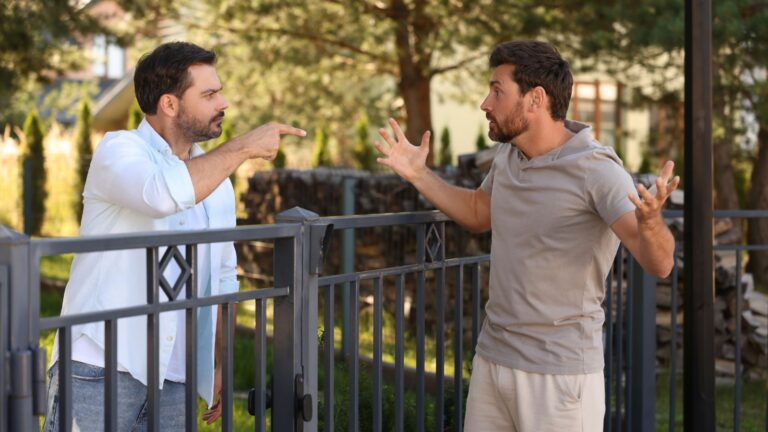
The enforcement does not stay on paper either. HOA staff regularly shows up outside to confront residents over violations in real time, which turns routine moments into small scenes in front of neighbors. The cumulative effect is a neighborhood where ordinary life requires constant awareness of which activity might attract the next notice.
The Guest Parking Fee
The rule that finally crossed a line for him is a $20 fee charged whenever guests park in front of his house or anywhere on the street for more than an hour. The fee applies to visitors, not to residents who have violated some prior agreement. People with guests get fined for having guests.
There is no carve-out for occasional visitors, no appeal process built into the rule as written, and no obvious reason why a one-hour window was chosen as the threshold. The fee exists because the new leadership decided it should, and it now sits alongside the chalk rule and the cat rule as part of the current definition of acceptable neighborhood life.
Trying to Sell Into This
After the guest fee landed, he listed the property. The problem is that the HOA’s reputation now travels with every showing. As soon as buyers hear the phrase strict HOA, the conversation changes. Interest drops before anyone has seen the backyard or talked numbers.
A strict HOA is a known quantity for buyers in a way that other property details are not. It signals ongoing fees, restrictions on daily life, and a management structure that may be difficult to push back against after closing. Buyers who want to be able to have friends over without a timer running, let their kids play in the front yard, or own a cat that goes outside are not going to compete hard for this house.
What the Neighborhood Actually Lost
The tree removal did more than change the temperature on the street. It was an early signal about what the new leadership considered worth preserving and what it was willing to sacrifice for a particular vision of how the neighborhood should look. The trees were old and established, which means their loss is not recoverable on any short timeline. Future residents will inherit a street that looks different and feels different because of a decision made without the input of the people who live there.
The chalk warning, the cat restriction, the barking rule, and the guest fee are different in scale but similar in structure. They all represent the HOA reaching further into the texture of daily life and treating normal behavior as something that needs to be regulated. None of these rules address actual harm. They address a preference about how a neighborhood should function, enforced by a leadership group that changed recently and without obvious accountability.
Where It Leaves Him
He is trying to sell a property that is harder to sell because of decisions he did not make and could not stop. The people most likely to buy it are either unaware of the HOA’s current direction or willing to accept it, neither of which is a comfortable position to market toward.
The listing is active, but every showing that ends without an offer because of the HOA is a direct financial consequence of rules he did not vote for. The guest fee was the moment he decided he was done, but the cost of leaving is proving harder to manage than the cost of staying was supposed to be.
Featured on Happy from Home: