He Watched a Passenger Get His Oversized Bag Tagged by the Gate Agent, Rip Off the Tag the Moment He Was Out of Sight, and Take Up Two Bin Spaces While He Had to Wait for the Whole Plane to Deplane to Get His Own Bag Back
A first class passenger had shown up with an oversized carry-on that the gate agent flagged immediately, explaining it needed to be tagged for gate checking since it wouldn’t fit properly onboard. The passenger argued the point, and the agent tagged the bag regardless of the pushback. Once out of the agent’s line of sight on the jet bridge, the passenger removed the tag himself and carried the bag onboard as though the entire exchange at the gate had never happened.
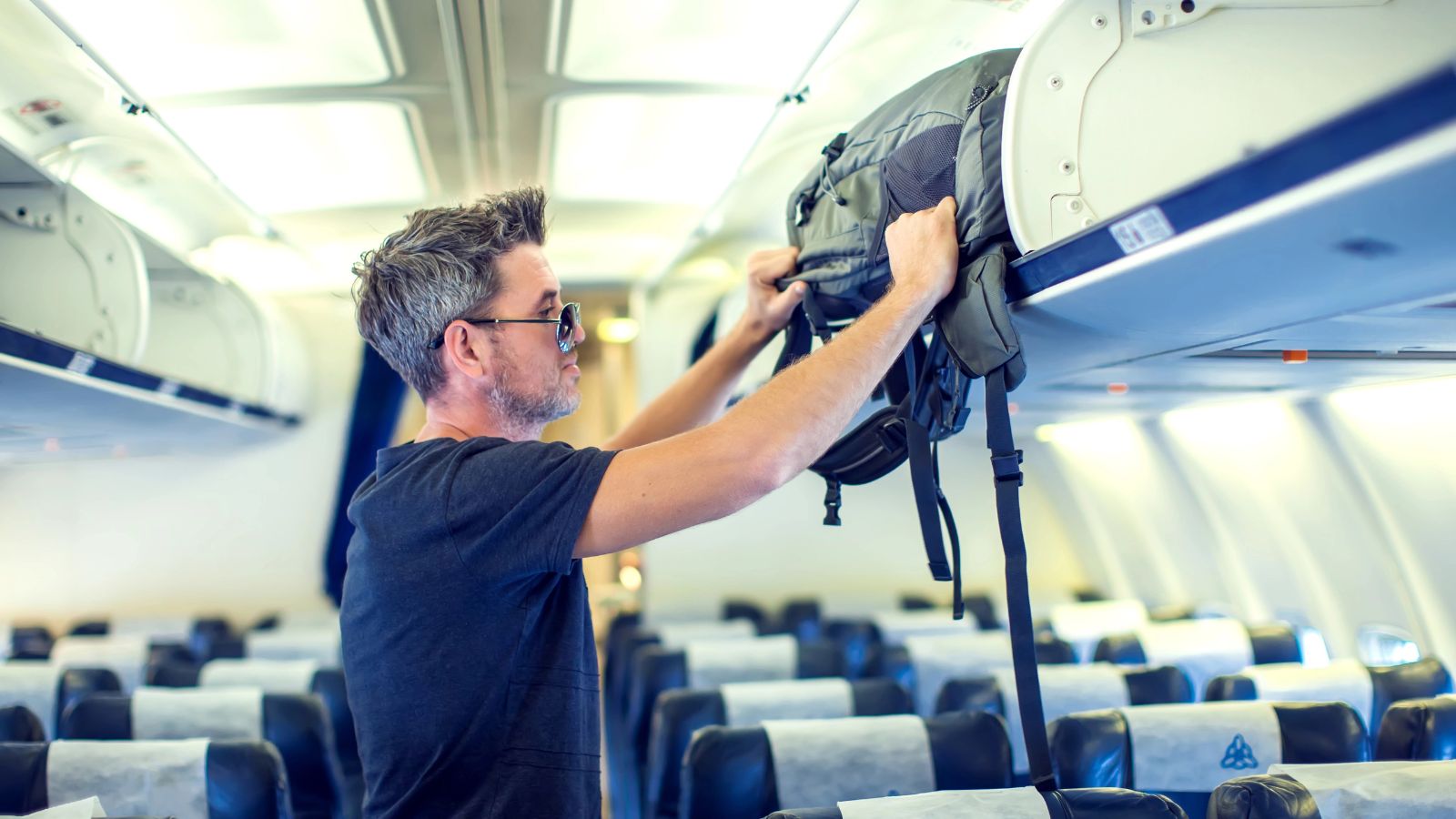
That bag ended up occupying roughly two overhead bin spaces once stowed, leaving no room anywhere near the original passenger’s own seat to store their carry-on. That forced them to walk their bag toward the back of the plane instead, settling it wherever space could still be found rather than anywhere close to where they were actually seated.
Why the Consequences Landed Entirely on Someone Else
The imbalance didn’t end once the flight was in the air. After landing, the passenger who’d deliberately removed his tag and ignored the gate agent’s instruction got to walk off the plane normally along with the rest of first class, while the original passenger had to wait for nearly the entire plane to deplane before making their way back to retrieve their own bag from wherever it had ended up stored.
That sequence captures the actual frustration well, it wasn’t simply about losing convenient overhead space, which happens occasionally for mundane, unavoidable reasons. It was that this specific situation resulted directly from someone deliberately circumventing an instruction they’d already been given, then walking away from any consequence entirely while another passenger absorbed the actual inconvenience of that decision, both during the flight and again during deplaning.
Why This Goes Beyond a Normal Bin Space Disagreement
Overhead bin space disputes happen regularly and usually don’t involve any real wrongdoing, sometimes bins simply fill up before everyone’s boarded, a routine byproduct of flight capacity rather than anyone’s specific behavior. What made this situation different was the deliberate nature of what happened, the passenger wasn’t simply unlucky in competing for limited bin space, he was specifically instructed by airline staff to check the bag, had it formally tagged for that purpose, and then actively undid that instruction the moment he was out of the agent’s direct line of sight.
That distinction matters considerably for how frustrating the outcome feels. Being inconvenienced by ordinary circumstances is one thing. Being inconvenienced specifically because another passenger deliberately disregarded a direct instruction from airline staff, facing zero consequence for doing so, represents a different and more frustrating category of experience entirely.
Whether Airlines Actually Enforce These Situations
Airlines including Delta do have policies around oversized carry-on items and gate checking procedures, and gate agents generally have real authority to require bags be checked if they don’t meet carry-on size requirements. In practice, though, enforcement once a passenger is already past the gate and onto the aircraft becomes considerably harder, since flight attendants are focused on getting the aircraft boarded and ready for departure rather than actively policing whether a specific bag was supposed to have been checked earlier in the boarding process.
Status level, including Medallion tiers, doesn’t formally grant passengers any exemption from carry-on size requirements or the authority to override a gate agent’s decision about tagging a bag. Whether elite status passengers sometimes receive more lenient treatment in practice, gate agents being less inclined to firmly enforce a rule against someone with a recognizable frequent flyer status, is a separate question from what’s officially permitted, and inconsistent enforcement in practice is a common frustration reported across many airlines, not unique to any one carrier specifically.
Why Reporting It Might Still Be Worth Doing
Filing feedback directly with Delta about the specific incident, including the fact that the bag was formally tagged by an agent and then deliberately untagged before boarding, gives the airline a documented account of an instance where their own gate procedure was actively circumvented after being properly applied. While a single complaint likely won’t change broader enforcement patterns overnight, documented incidents like this do sometimes factor into how airlines evaluate whether existing enforcement procedures at the gate versus onboard need tightening, particularly if similar reports come in from multiple passengers experiencing the same pattern.
Featured on Happy From Home: