Her Neighbor Stopped Asking Permission and Just Started Putting Her Apartment Number in the Delivery Instructions, She Asked Her to Stop Twice and Nothing Changed, and the Day She Finally Refused a Package the Neighbor Was Furious
That’s the situation one work-from-home resident is navigating after a simple one-time favor for her neighbor quietly became an unofficial package receiving operation. It started reasonably enough, a neighbor asking ahead of time because she wasn’t going to be home, the kind of thing people do for each other without thinking twice.
This article may contain affiliate links. See our disclosure policy for more info.
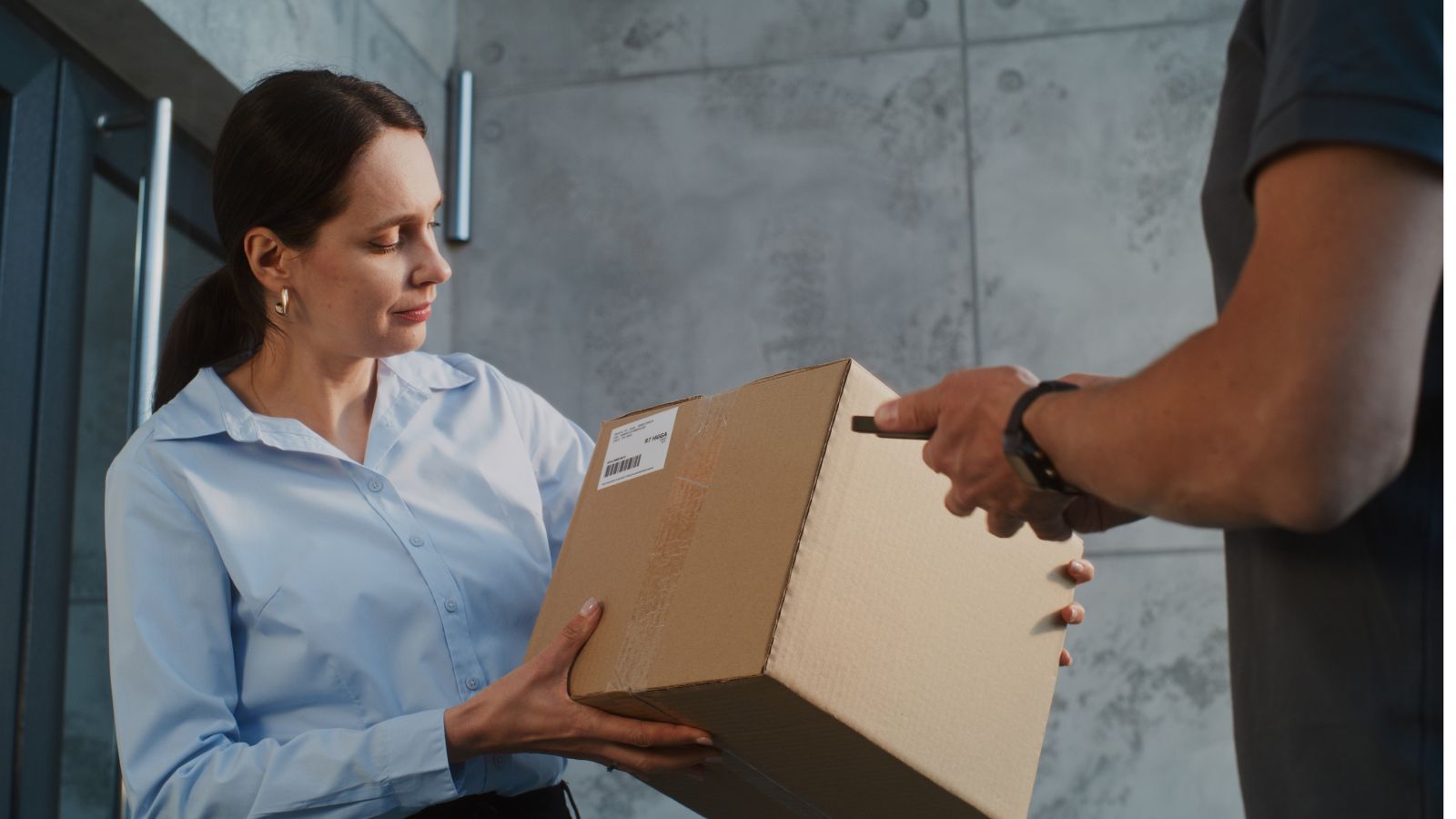
Then the frequency crept up, the asking stopped, and her apartment number started appearing in delivery instructions she never agreed to. By the time she had two or three boxes sitting in her hallway on a given day, what had started as a favor had turned into an unpaid service she hadn’t signed up for.
The Two Requests That Changed Nothing
About a month ago she told her neighbor directly and politely that she wasn’t comfortable continuing and suggested alternatives like package lockers. Her neighbor said she understood. The deliveries kept coming. Last week she repeated the request, received another apology and another promise to handle it. Yesterday a driver showed up with another package. She declined to accept it, it was marked undeliverable, and her neighbor is now upset about the delay.
The sequence matters because it reframes what yesterday’s decision actually was. She didn’t refuse a casual favor from a neighbor who occasionally needed help. She held a boundary she had already communicated twice after being ignored twice. Those are different situations, and the friends telling her it would have taken only a few seconds are evaluating the last moment in isolation rather than the full pattern that led to it.
What Putting Someone’s Address in Delivery Instructions Actually Means
When her neighbor updated her delivery instructions to include her apartment number without asking, she made a unilateral decision that transferred responsibility onto someone else’s space and time. That’s not a small thing. It means packages are now arriving at a home that isn’t the recipient’s, being held by someone who didn’t agree to hold them, and creating liability questions about loss, damage, or theft that the actual resident has to think about even if the neighbor doesn’t.
She raised exactly those concerns when she first asked to stop, and they’re legitimate ones. If an expensive item had been damaged while sitting in her hallway, the conversation about who was responsible would not have been comfortable. The neighbor’s casual attitude toward that risk doesn’t make the risk smaller, it just means she wasn’t the one carrying it.
The Friends Giving Bad Advice
The argument that she should have accepted the package because it would have taken only a few seconds misunderstands what the moment was actually about. Taking that package wasn’t a five-second task in a vacuum. It was a signal that two explicit requests to stop could be ignored indefinitely because eventually she’d give in when the alternative created inconvenience for her neighbor. Accepting it would have reset the clock entirely and communicated that the requests weren’t serious.
Holding the line in that moment was the only way to make the previous two conversations mean anything. The slight inconvenience her neighbor experienced as a result of a missed delivery is a direct consequence of not updating her delivery instructions after being asked twice to do so, and that consequence belongs to her neighbor, not to the person who declined to absorb it again.
Where the Neighbor Actually Went Wrong
The original ask was fine. The escalation to multiple times a week was worth a conversation but not necessarily a crisis. The moment things went genuinely wrong was when her neighbor stopped asking and simply put her apartment number into the delivery settings, which converted a favor into an assumption. Everything after that, including the two ignored requests and the upset over a missed package, flows from that decision.
A neighbor who actually understood that she’d overstepped would have updated the delivery instructions the first time she was asked, apologized for the inconvenience she’d already caused, and made sure it didn’t happen again. Apologizing twice and changing nothing is not the behavior of someone who understood the request. It’s the behavior of someone who hoped the request would eventually go away.
What Comes Next
The neighbor’s frustration is likely to fade once the logistical inconvenience of updating her delivery instructions actually gets handled. The social friction of a missed package tends to feel bigger in the moment than it ends up being over time, and she didn’t do anything wrong by declining. She asked clearly, she asked twice, and she followed through when nothing changed.
If the deliveries continue after this, the next conversation needs to be more direct about the fact that she won’t be accepting them regardless of what the delivery instructions say, and that her neighbor needs to treat finding an alternative as an actual priority rather than something she’ll get around to eventually.
Featured on Happy From Home:
- Man Says a Stranger Claiming to Be an Uber Driver Knocked on His Door 11 Minutes After His Wife Left for the Airport Asking for Someone Who Does Not Live There and Froze When He Saw the Security Camera
- Couple Paid $4,000 to Confirm Their Neighbor’s Fence Was 20 Feet Over the Line and Chose to Be Kind About It and Now Two Years of Inaction May Have Put Their Ownership at Risk