
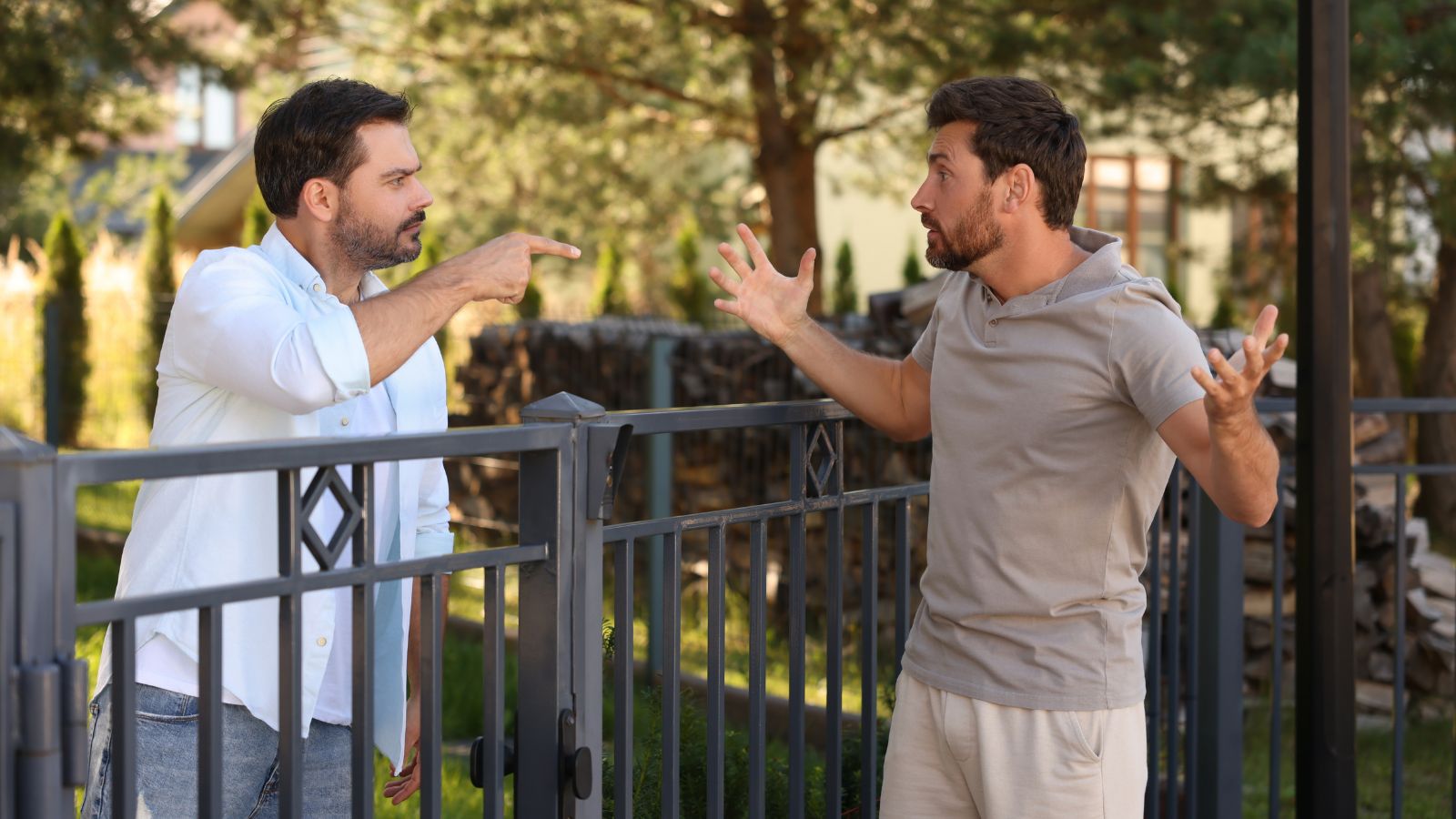
His Neighbor Wants the 38-Year-Old Redwood Gone Because It Shades His Solar Panels for 90 Minutes a Day in Winter and Sent a Certified Letter With an $8,200 Removal Estimate Before Ever Having a Real Conversation About It
The redwood in the corner of the backyard was planted by the previous owner back in 1987. It’s 38 years old, healthy, and the reason the back patio is usable in August. Eight months ago, the neighbor next door installed a $21,000 solar array, complete with the 30% federal credit and an app tracking daily production down to the kilowatt.
A few months after installation, he mentioned over the fence that the tree “catches” his panels in the afternoon. The response at the time was a shrug: that’s the sun’s fault, not the tree’s. That should have been the end of it.
A Production Graph, Then a Certified Letter
It wasn’t the end. He came back with his phone and a production graph showing that between roughly 3:40 and 5:10 p.m., November through February, the redwood’s shadow crosses the lower left corner of his array. Ninety minutes a day. Roughly 6% of his output. He’d already run the numbers: about $37 a month, $444 a year, enough to affect his payback timeline on the system.
Weeks later came a certified letter with an actual removal estimate attached, $8,200 for removal and stump grinding, with the expectation that this side of the fence would cover it. As an alternative, the letter offered a “remediation trim” for $2,900. He’d already hired a tree service to produce these numbers before ever discussing it directly.
An Independent Arborist Tells a Different Story
A $150 consultation with an independent arborist confirmed the redwood is healthy. She also confirmed that the proposed $2,900 “remediation trim” would remove roughly a third of the canopy, with real risk of damaging the tree or shortening its lifespan. Removing it entirely would change drainage patterns in both yards, not just the one it currently sits in.
She also noted that many solar shade laws specifically consider whether a tree existed before the solar installation went in, a detail directly relevant here given the redwood predates the panels by decades.
The Neighbor’s Response Skips Past All of That
When told about the arborist’s findings, the neighbor’s reply was blunt: “Trees can wait. Solar can’t.” He’s since escalated to texting production graphs at 7 a.m. and mentioning small claims court, all while framing the tree itself as the source of his financial shortfall rather than a decision he made when he chose to install panels next to a fully grown, decades-old redwood in plain view.
That framing matters. He bought a $21,000 system with a 38-year-old tree already standing exactly where it’s always stood. The tree didn’t move into his sightline, his panels moved into the tree’s.
Weighing the Two Options on the Table
Paying $2,900 to end the conflict, Option A, has surface appeal, since it’s a fixed cost against an open-ended dispute with someone clearly invested in pursuing this further. But the arborist’s assessment complicates that math considerably. A third of the canopy removed isn’t a cosmetic trim, it’s a real risk to a healthy, decades-old tree’s long-term survival, all to address a shadow that predates the panels themselves by nearly four decades.
Splitting the removal cost, as the other neighbor suggested, framing it as something that “bothers him more than it benefits us,” undersells what the tree actually does: shade the patio through August, anchor the yard’s drainage, and represent nearly 40 years of growth that can’t be replaced on any reasonable timeline.
Why the Tree Predating the Panels Actually Matters
The order of events here isn’t a minor detail, it’s the whole case. A tree standing for 37 years before someone else’s solar investment existed isn’t creating a new problem, the solar investment introduced a new sensitivity to a condition that was already fully visible and unchanged at the time of installation. Anyone doing due diligence on solar placement, timing, and payback projections would have accounted for existing shade sources on the property, including large, mature trees on neighboring land clearly visible from the roof being panels went onto.
A payback period calculation that didn’t account for an obviously mature redwood sitting right there isn’t a cost that belongs to the tree’s owner to absorb.
Where This Leaves the Decision
Option B holds up here. The tree stays. Thirty-seven years of standing in that exact spot, now facing removal or serious, risky trimming specifically because someone else made a financial bet without accounting for conditions that were already fully visible, isn’t a reasonable trade. A $21,000 system’s payback math is the buyer’s risk to manage, not an easement quietly imposed on a neighbor’s backyard after the fact.
Featured on Happy From Home:
- His Roommate Admitted Taking His Stuff Without Asking Then Another Item Went Missing and Now He Thinks He’s Been Lying the Whole Time
- Man Says a Stranger Claiming to Be an Uber Driver Knocked on His Door 11 Minutes After His Wife Left for the Airport Asking for Someone Who Does Not Live There and Froze When He Saw the Security Camera