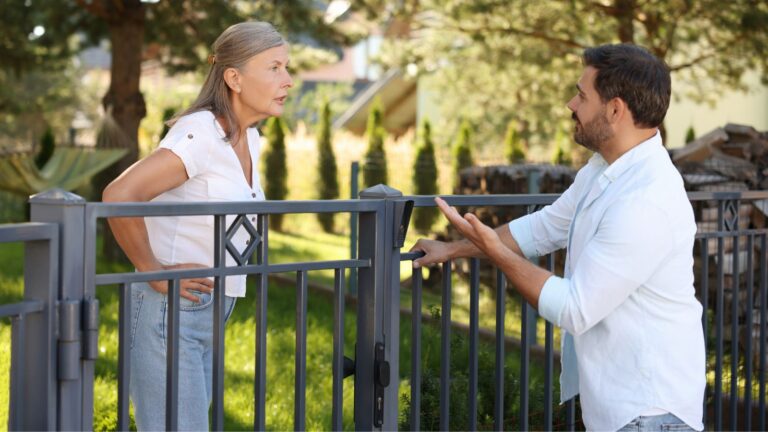

Woman Says Her Husband Has Been Covering College Tuition, Graduate Degrees, Weddings, and Hospital Bills for Their Adult Children for Years and Has Never Heard a Single Thank You From Either of Them
They did everything right. Good jobs, careful planning, and a genuine commitment to giving their kids a strong start. Both children made it easy. They were hardworking, stayed out of trouble, and pushed through undergraduate and graduate degrees. The parents covered tuition, living expenses, a wedding for their daughter, a hospital bill for their son, and even formula for their grandson. The financial support has been consistent and significant across decades.
This article may contain affiliate links. See our disclosure policy for more info.
Neither child has said thank you. Not for college. Not for the wedding. Not for the medical bill or the formula. Not for the dinners out that the parents still pick up. The mother says she believes the kids are grateful on some level, but the words haven’t come, and her husband has reached a point where the silence is bothering him. She’s trying to figure out whether she should say something to the kids or let it go.
Why the Husband’s Frustration Makes Sense
He didn’t have to do any of it. Plenty of parents with good incomes don’t fund graduate degrees or cover hospital bills for adult children or keep picking up dinner tabs after the kids are married and employed. He chose to, consistently and generously, and the reasonable expectation that someone might acknowledge what that cost, financially and otherwise, over many years isn’t an unreasonable thing to want.
Gratitude isn’t just a social nicety. It’s a signal that the other person sees you. When years of significant sacrifice and generosity go unacknowledged, the message received, even when it’s not the message intended, is that the giving was expected rather than appreciated. That feeling compounds over time, and his frustration is a product of accumulation, not a reaction to any single oversight.
Why the Kids May Not Have Said Anything
Adult children who grew up receiving parental support sometimes develop a blind spot around it, not because they’re ungrateful but because the support was so consistent that it became part of the background of their lives. When something has always been there, it takes more conscious effort to recognize it as a gift rather than a given.
There’s also a dynamic in some families where parents give so readily and so without apparent expectation that children genuinely don’t realize thanks was wanted. If the giving always came without any signal that acknowledgment mattered, the kids may have internalized that the arrangement was simply how their family operated rather than something requiring ongoing recognition.
None of that makes the oversight acceptable. It just explains how it happened without assuming the children are deliberately indifferent.
Whether She Should Say Something
The honest answer is yes, but how it gets said matters enormously. A conversation framed around her husband’s hurt feelings, delivered with care and without accusation, is very different from a list of everything the parents have provided followed by a demand for thanks. The first opens a door. The second creates defensiveness and resentment that can linger long after the conversation ends.
She’s in a better position to have this conversation than her husband is right now, precisely because she says it doesn’t bother her personally. A parent who isn’t carrying active frustration can deliver the message more neutrally and be heard more clearly. Something as simple as letting the kids know that their father feels like his efforts have gone unnoticed, without framing it as a grievance, gives them the information they need to respond without making them feel attacked.
What Happens If Nothing Is Said
The alternative to saying something is watching her husband’s frustration quietly build while the kids remain unaware that anything is wrong. Unspoken resentment in family relationships has a way of leaking out sideways, through tone, through small withdrawals of warmth, through a gradual cooling that nobody can quite name but everyone feels. Her husband has been generous for decades. He deserves to feel that generosity was seen, and his kids deserve the chance to show him that it was once they understand it’s something he needs.
This isn’t really a conversation about thank you notes or social etiquette. It’s about a father who has spent years investing in his children’s lives and is starting to wonder if any of it registered. That’s worth addressing directly before it quietly reshapes a family relationship that, by every other measure, sounds genuinely good.
Featured on Happy From Home: