
Man Says He Turned Away a Stranger Who Knocked on His Door at Night While He Was Alone With His Toddler and His Wife Thinks He Should Have Found a Way to Help
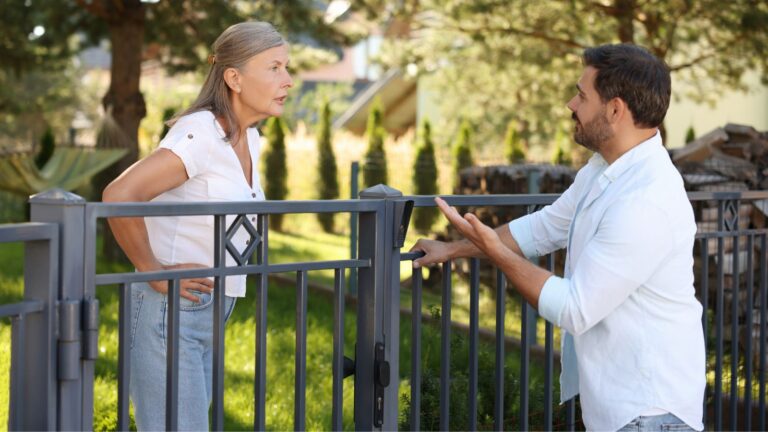
He thought it was his wife coming home with groceries. He answered the door in his bathrobe, one hand holding back the puppy, the other on the door, and found a man in his thirties standing on his porch saying his phone had died and asking to borrow one. It was 8pm and his two-year-old was asleep upstairs. His wife was still at the store.
This article may contain affiliate links. See our disclosure policy for more info.
He told the man he couldn’t help him that night and closed the door. As it shut, the stranger said what he’d done was kind of rude. That comment sent him straight around the house checking every window and door lock, and he texted his wife to let her know he’d come out to help with groceries once she got home rather than leaving the door unattended.
Where He and His Wife Landed Differently
When his wife got home and he explained what happened, her reaction wasn’t what he expected. She thought he could have found a way to assist, maybe stepping outside briefly or pointing the man toward a nearby store. She didn’t see the situation the same way he did, and that gap in perspective is what’s been sitting with him since.
His position is straightforward. If she had been home, he would have been comfortable stepping outside to help without leaving a sleeping toddler and two dogs unsupervised inside. Alone, that option didn’t exist. Handing his phone to a stranger at the door meant either leaving the house unattended to follow if something went wrong, or standing there unable to call for help if the situation turned dangerous.
The Calculation He Made
He’s not describing the stranger as someone who looked threatening or gave off obvious warning signs. The discomfort came from the circumstances more than the person. Being the only adult home with a sleeping child at night, answering an unexpected knock, and being asked to hand over his only means of communication added up to a situation he wasn’t willing to manage alone.
The comment as the door closed is what locked in his instincts. Someone genuinely in a bind asking a neighbor for a small favor doesn’t typically respond to a polite refusal by calling it rude. That reaction, mild as it was, was enough to make him want every lock in the house checked before his wife got back.
The Tension He’s Still Sitting With
He’s not comfortable with the idea of becoming someone who assumes the worst of strangers asking for basic help. He knows most people who knock on doors with dead phones are exactly what they appear to be, people with dead phones. The desire to be the kind of neighbor who helps when asked is real, and he doesn’t want one cautious night to harden into a permanent reflex.
At the same time, the risk calculation changes when you’re the only adult responsible for a sleeping toddler. A wrong read on a stranger’s intentions when he was alone and his child was upstairs wasn’t a recoverable mistake. A wrong read on a night when two adults were home and could cover each other was a different situation entirely.
What the Disagreement Is Really About
He and his wife aren’t arguing about whether strangers deserve help. They’re disagreeing about what level of risk is reasonable to absorb when you’re alone with a small child and someone unexpected shows up after dark asking for something. She sees a missed opportunity to help someone in a minor bind. He sees a situation where the variables didn’t line up in a way that made helping safe to do responsibly.
Neither of those reads is unreasonable. The stranger may have had completely innocent intentions, and the odds are probably in favor of that. But gut instinct when you’re alone with a toddler at night isn’t something that gets evaluated on odds alone, and the comment that came through the closing door didn’t make the math easier.
Featured on Happy From Home: