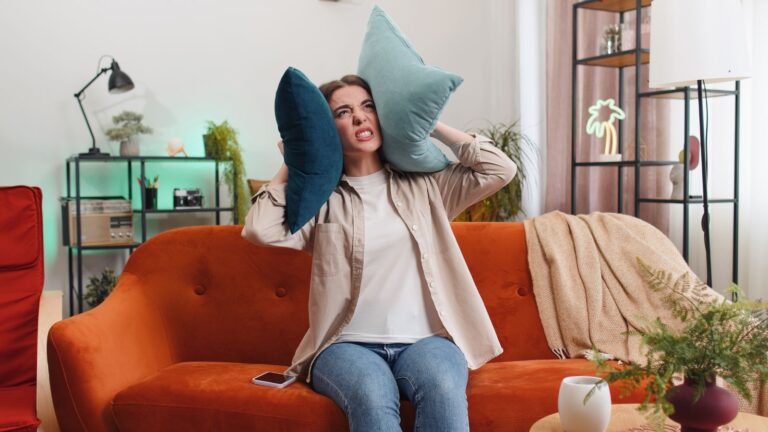
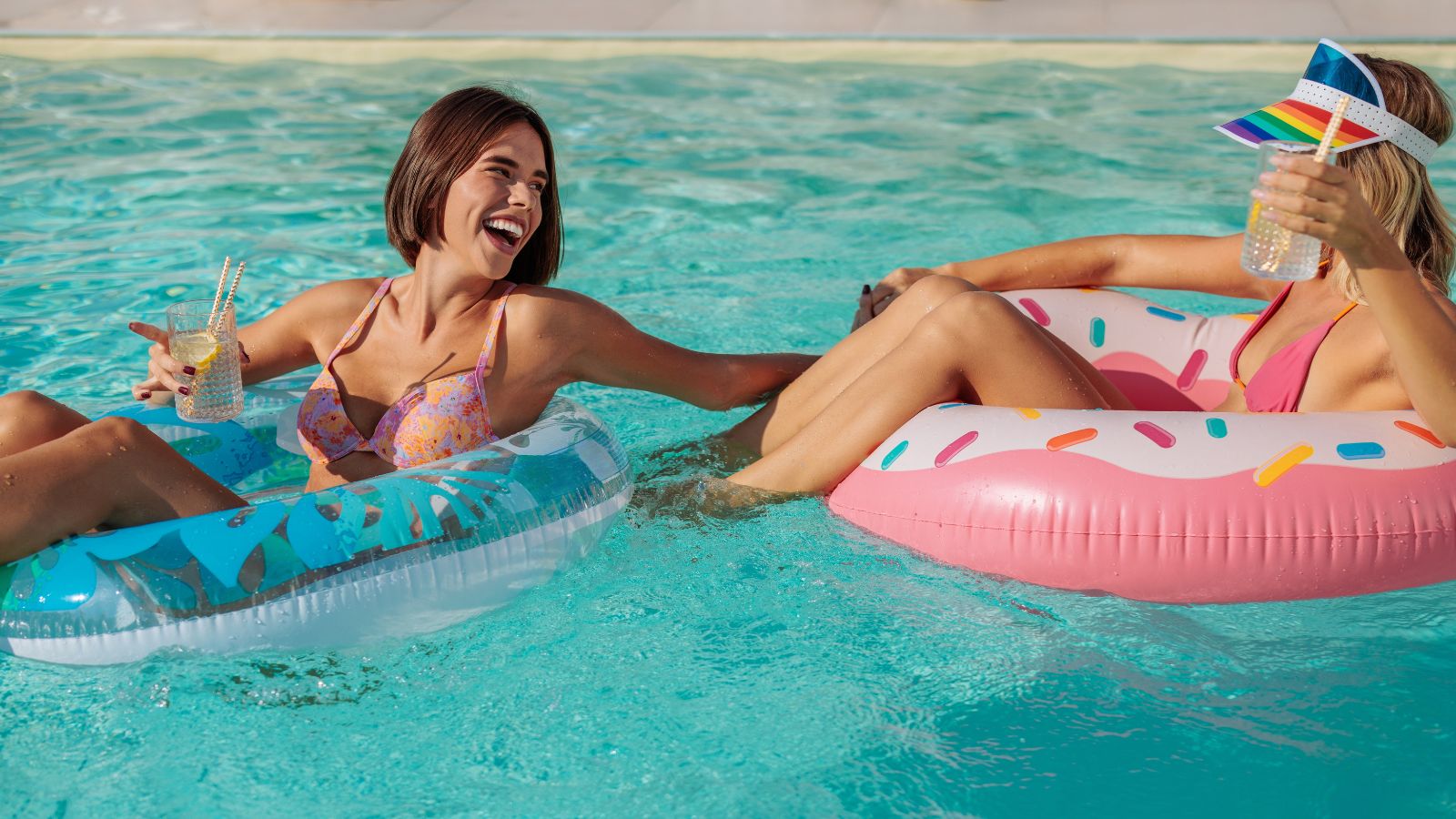
Disgusted Woman Always Assumed Peeing in Pools Was Something Nobody Did Until She Overheard a Group of Women Laughing About Doing it
She grew up believing that peeing in a swimming pool was simply something people didn’t do. That assumption held until last weekend when she was visiting a friend at an Airbnb with a pool and overheard a conversation that made her question everything. One of the women mentioned finding a warm spot in the water. Another laughed and admitted she had just peed there. A third jumped in to explain that as long as the pool chemicals were properly balanced, peeing in the pool was completely fine. Everyone present seemed to agree, and nobody appeared remotely bothered by any of it.
This article may contain affiliate links. See our disclosure policy for more info.
She’s now wondering whether the norm she was raised with is actually the minority position and whether the people at that pool were describing something widely accepted that she simply wasn’t aware of.
The chemistry is not on the third woman’s side
The argument that properly balanced pool chemicals neutralize urine is a common belief that doesn’t hold up particularly well under scrutiny. Chlorine does work to sanitize pool water, but it doesn’t do that job in unlimited quantities against unlimited inputs. When urine enters a chlorinated pool, the compounds in it, primarily urea and ammonia, react with chlorine to form a group of byproducts called chloramines. Chloramines are the source of the sharp chemical smell that many people associate with heavily used pools, and they’re also responsible for the eye irritation and respiratory effects that swimmers sometimes experience. A pool that smells strongly of chlorine is often not a sign that it’s been over-treated. It’s frequently a sign that the chlorine has been heavily consumed by exactly this kind of reaction.
The practical implication is that peeing in a pool doesn’t just get neutralized and disappear. It reduces the effectiveness of the chlorine that’s supposed to be sanitizing the water against actual pathogens, and it produces irritating byproducts in the process. The more people doing it, the more the balance degrades, regardless of how carefully the pool was maintained at the start of the day.
The warm spot detail
The warm spot is the part of this conversation that deserves its own moment of attention. Finding a warm spot in a pool is a reasonably well-known indicator that someone has recently urinated in that area, because urine enters the water at body temperature and creates a localized thermal difference before it disperses. The fact that finding one prompted laughter and an immediate admission rather than any discomfort from the group suggests a level of collective comfort with the practice that goes well beyond a one-time lapse.
For someone who then continues swimming in that water after the warm spot has been identified and explained, the chemical argument about balanced pools is doing a lot of work to justify something that, without the argument, would register as obviously unpleasant.
Whether she’s actually in the minority
The honest answer is that peeing in pools is more common than most people who don’t do it would like to know. Studies using tracer compounds to measure urine in public pools have consistently found meaningful concentrations, with some research suggesting that a significant percentage of adults admit to having done it at least occasionally. The practice exists on a spectrum from the occasional involuntary leak to the deliberate sustained behavior she witnessed at the Airbnb, and it’s common enough that pool maintenance guidance specifically accounts for it.
That doesn’t mean the third woman’s chemical argument was correct, and it doesn’t mean she’s wrong to find it unpleasant. It means the social norm she was raised with is one that a meaningful portion of the population doesn’t share or doesn’t follow in practice even if they nominally agree with it. The gap between what people say they believe about pool etiquette and what they actually do when they’ve been in the water for two hours is apparently significant.
The apartment pool that now makes more sense
She mentioned she stopped using her apartment complex’s pool after noticing that people spent entire days in the water without ever getting out to use the restroom. That observation, which she found troubling enough to change her behavior at the time, was almost certainly an accurate read of what was happening. The reasoning she didn’t have then is the same one the woman at the Airbnb offered, that the chemicals handle it, which is the justification that makes extended pool sessions without bathroom breaks socially manageable for the people doing it.
She’s not the odd one out for finding this off-putting. She’s just someone whose comfort level with shared water doesn’t include other people’s urine, which is a position that has both social and scientific backing even if the people at that particular pool didn’t share it.
Featured on Happy from Home:
- Man Says a Stranger Claiming to Be an Uber Driver Knocked on His Door 11 Minutes After His Wife Left for the Airport Asking for Someone Who Does Not Live There and Froze When He Saw the Security Camera
- Her Dad Tried to Charge Her for Her Bed, Desk and Curtains When She Moved Out and Then Said She Owed Him for Raising Her