
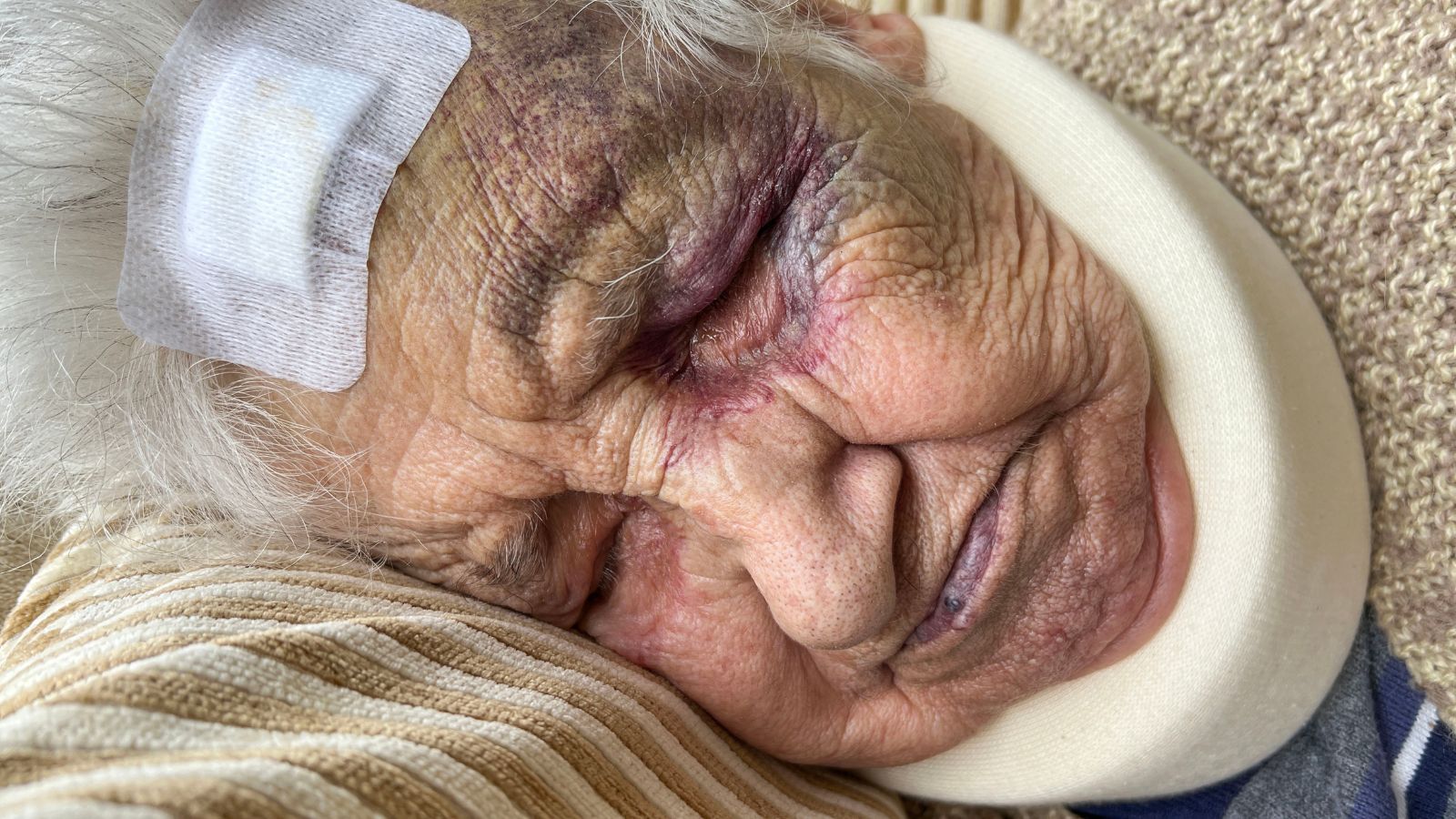
She’s Fully Lucid and Living Alone at 82, but One Broken Wrist Has Her Family Pushing to Sell Her House and Move Her Out
An 82-year-old woman broke her wrist in a minor fall last month, and her family is now split over whether she should keep living on her own. Her adult children want her in a nursing home, but her grandchild thinks they’re moving way too fast.
She’s lived alone since her husband passed away two years ago, and by most measures she’s handled it well. She still drives her own car, pays her own bills, keeps up a busy social calendar with friends, and spends a lot of her time in the garden she loves.
A Fall and a Broken Wrist
The fall itself wasn’t dramatic. She lost her footing, broke her wrist, and got it treated, and the injury has been healing the way doctors hoped it would.
She’s been going to physical therapy and recovering steadily. Outside of the wrist, nothing about her daily life has changed, and she’s still getting around and managing things the way she did before.
A Life Still Her Own
To the grandchild, that’s the part the rest of the family seems to be ignoring. This isn’t someone who’s confused, isolated, or struggling to get through the day, and she’s fully lucid and making her own decisions.
Her home is a big part of what keeps her going. The garden, the familiar routine, and the friends nearby give her structure and something to look forward to, and the grandchild worries that pulling her away from all of it would take her independence and her happiness along with it.
The Parents’ Case for Safety
The grandchild’s parents see the fall very differently. To them, it was a warning sign, and they keep coming back to the idea that she could fall again with no one around to help her up or call for help.
They’ve framed the whole plan around her safety. From their side, waiting for a worse fall before acting would be irresponsible, and they’d rather make a hard move now than deal with a crisis later.
Selling the House
The parents haven’t just floated the idea, either. They’re already touring facilities and talking about selling her house, which is the step that has the grandchild most alarmed.
Selling the home would make the move close to permanent. Once the house is gone, there’s no easy way back if the nursing home turns out to be the wrong fit, and the money from the sale would likely end up funding the facility instead of staying available for her other needs.
The house is also more than an asset to her. It’s where she lived with her late husband and where her garden is, and turning it into a line item on a care budget feels to the grandchild like erasing a big piece of her life.
The Price of a Facility
Nursing homes aren’t cheap, and full-time residential care can easily run several thousand dollars a month. For someone who doesn’t yet need round-the-clock medical supervision, that’s a lot of money going toward help she may not use.
That cost could burn through the proceeds from her house faster than the family expects. If she lives another decade in good health, paying for a level of care she doesn’t need could leave far less for the years when she actually does.
In-Home Care as a Middle Ground
The grandchild suggested a different approach. Someone could come by a few times a week to help with chores, check on her, and make sure she’s doing okay, while she keeps living in her own home.
It’s a smaller commitment financially, too. Part-time in-home help usually costs a fraction of a nursing home, and the family could add things like a medical alert device or grab bars in the bathroom for far less than a monthly facility bill.
The parents shot the idea down. They said it wouldn’t be enough and would only delay what they see as inevitable, and they haven’t shown much interest in trying it before moving ahead with a facility.
Her Say in It
The grandmother hasn’t been silent through all of this. She’s made it clear she doesn’t want to go into a nursing home unless she absolutely has to, and right now she doesn’t feel like she has to.
That puts the grandchild in a tough position. Their grandmother is capable of deciding where she lives, yet the people with the most influence over her care are pushing a choice she’s already said she doesn’t want.
Pushing Back
The grandchild has started to wonder whether they’re being naive about the risks. A second fall at 82 could be far more serious than a broken wrist, and the parents’ fear isn’t coming from nowhere.
Still, the grandchild can’t shake the feeling that the family is rushing past the options in between. The parents are already looking at facilities and talking about selling the house, and every week that passes makes it harder to slow things down before a choice gets made that their grandmother never agreed to.
Featured on Happy From Home:
- Man Says a Stranger Claiming to Be an Uber Driver Knocked on His Door 11 Minutes After His Wife Left for the Airport Asking for Someone Who Does Not Live There and Froze When He Saw the Security Camera
- His 14-Year-Old Brother Helped Pay for a Pool With Money He Earned Mowing Lawns and Got Locked Out After the First Weekend While the Kid Whose Yard It Sat in Could Use It Whenever He Wanted