
She Got Stranded at LAX for 22 Hours and Fought for Months to Get the Airline to Pay Up, Then Her Dad Kept the Refund
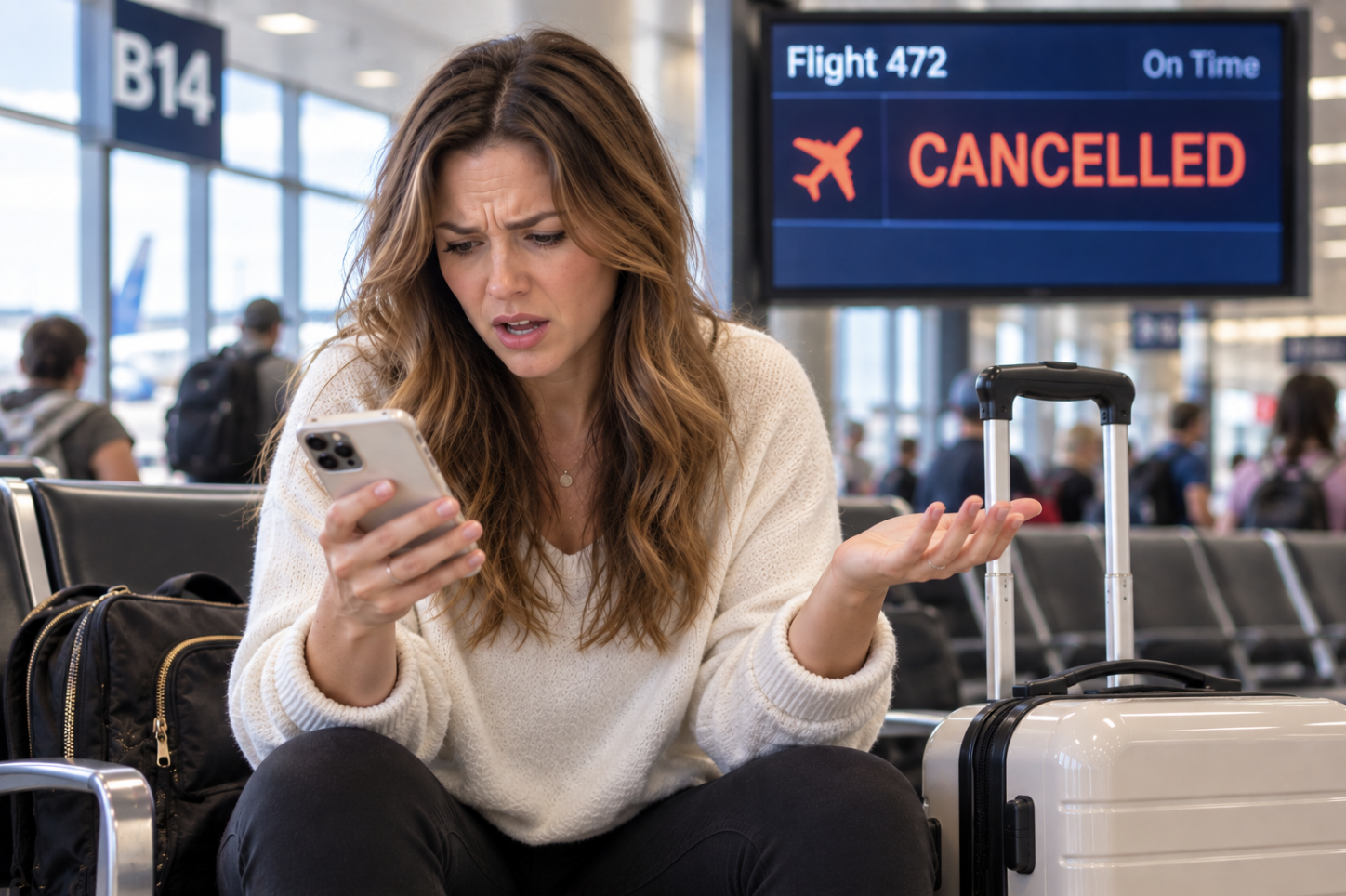
A dad covered a $1,500 flight for his 16-year-old daughter’s scholarship trip abroad, the only cost not already included in a program that paid for housing and food. The trip itself went fine until the return leg, when a canceled connecting flight left her stranded at LAX for around 22 hours, without the accommodations she was supposed to receive during that stretch.
Months later, after a string of emails, the airline issued a full refund for the flight. He told his daughter the money had come back, and she reacted assuming she’d be getting all of it. He explained that since he’d originally paid for the flight, he’d be keeping the refund. They went back and forth for a while before she dropped it, though he’s since found himself second-guessing the decision.
Who Paid Originally Matters, But Isn’t the Whole Picture
His baseline reasoning, that he paid the $1,500 so the refund of that same money belongs to him, holds up as a starting point. A refund typically returns money to whoever originally spent it, and there’s nothing inherently wrong with that principle on its own.
What complicates the situation is the added detail in his edit: his daughter was the one who wrote the emails, explained her experience, and actually secured the refund from the airline. That refund wasn’t something that happened automatically or something he pursued himself, it came directly from her effort, documenting a genuinely miserable 22-hour ordeal and advocating for herself with the airline until they agreed to make it right.
The Compensation Piece Deserves Separate Consideration
There’s a reasonable distinction between the $1,500 flight refund itself, which he paid for and can fairly claim, and some form of acknowledgment for the actual work she put into securing it. A 16-year-old spending real time and effort writing detailed emails, following up, and pushing for a resolution to a bad situation is the kind of effort that often gets recognized in some way, even if the underlying refund technically belongs to whoever originally paid.
That doesn’t necessarily mean she’s owed the full $1,500. But something in between, a portion of the refund, or even a separate gesture acknowledging the effort she put in, might land better than a flat “the money is mine because I paid originally” answer, especially given she’s the one who did the actual work of getting the airline to agree to anything at all.
The Trip Itself Adds Context Worth Considering
Beyond the refund question, she’d already been through a genuinely bad experience, stranded for nearly a full day at an airport without the promised accommodations, capping off what should have been a great scholarship trip. That kind of ordeal, and the effort she put into getting some resolution afterward, is part of why this feels like more than a simple “who originally paid” question to her, and probably part of why the disagreement stuck with him enough to still be uncertain about it now.
It’s Worth Revisiting
Keeping the refund isn’t unreasonable given that he covered the original cost. But given that she did the actual work of securing that refund, and given everything she went through to get it, there’s a reasonable case for splitting it or finding some way to acknowledge her effort directly, rather than treating this purely as a matter of whose name was on the original receipt. That’s less about who’s right and more about what actually feels fair given the full picture, not just the initial payment.
Featured on Happy From Home:
- His 14-Year-Old Brother Helped Pay for a Pool With Money He Earned Mowing Lawns and Got Locked Out After the First Weekend While the Kid Whose Yard It Sat in Could Use It Whenever He Wanted
- Man Says a Stranger Claiming to Be an Uber Driver Knocked on His Door 11 Minutes After His Wife Left for the Airport Asking for Someone Who Does Not Live There and Froze When He Saw the Security Camera